Non-native speakers or lifelong learners?

Title separator

Read at home,
talk in class

ARTICLE: https://eslbrains.com/crc034

LESSON OVERVIEW

In this lesson students discuss the accuracy of different terms referring to non-native English speakers, do a word-formation activity and talk about the article they read at home. 

B2 / Upper Intermediate30 minCritical Reading ClubUnlimited Plan

This is a Critical Reading Club worksheet. With this format, students need to read an online article at home and do the exercises in the classroom. Learn more about how to use such worksheets and their benefits in our post.

ACTIVITIES

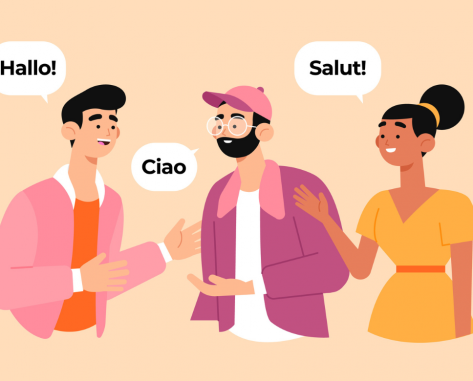
At the beginning of the lesson students brainstorm possible prefixes to create adjectives ending with ‘lingual’ (e.g. multilingual, monolingual, bilingual). They also decide which of the words describes them. Then, students do a word-formation task. They need to complete the words with missing letters in five sentences (e.g. linguistic, lingua, linguistics). After that, students discuss how accurate and respectful some terms for describing a person who speaks English as a second language are. Finally, they talk about the article they read at home and compare their experiences with that of the author’s.They also discuss the director Steven Spielberg’s decision which was the reason for writing the article. 

ARTICLE

https://eslbrains.com/crc034

WORKSHEETS

Comments

Title separator

Leave a Reply

  1. Alyssa Prespentt

    I don’t think it’s necessary to speak multiple languages to study linguistics, although it can help. There’s a common mix-up between linguists and polyglots. Linguists study the features of language, not how to speak multiple.

Browse other materials recommended for you

Title separator
speaking lesson on curiosity
B1 / Intermediate | B2 / Upper Intermediate
Speaking Class 45 min / 60 min

What are you curious about?

General

Try this speaking lesson on curiosity! Students watch a video about why people become less curious with age, discuss strategies for developing curiosity and review key vocabulary for talking about it.

gradable and ungradable adjectives
B1 / Intermediate | B2 / Upper Intermediate
Standard Lesson 60 min

A really bad day (gradable and ungradable adjectives)

General Grammar

Practise gradable and ungradable adjectives! Students discuss bad experiences, watch a video about a flight mix-up and play a storytelling game using adjectives and intensifiers from the lesson.

using articles
B2 / Upper Intermediate
Standard Lesson 60 min

Unpopular opinions (articles ‘a’, ‘an’, ‘the’)

General Grammar

Practise using articles! Students discuss unpopular opinions, watch a video about a man who has an unpopular opinion and review the rules for using ‘a’, ‘an’ and ‘the’.

swimming vocabulary
B2 / Upper Intermediate
Vocabulary Lab 45 min / 60 min

How well can you swim?

General

Dive into swimming vocabulary! Students learn words for strokes, equipment and techniques, discuss their own confidence in the water and design a beginner swimming lesson of their own.

first lesson with new students
B1 / Intermediate | B2 / Upper Intermediate
Standard Lesson 60 min

Learning English (first lesson with new students)

General

Talk about English in this first lesson with new students! Students are tested in all four skills (listening, speaking, reading, writing) as well as vocabulary and grammar while listening to a podcast and talking about the English language.

talking about critical thinking
B2 / Upper Intermediate | C1 / Advanced
Standard Lesson 60 min

Is critical thinking still a thing?

General Technology

Engage students in talking about critical thinking! In this lesson, they practise key vocabulary for the discussion, watch a video about why we sound more like AI and read texts about real-life cases of deception.

homophones and homographs
B2 / Upper Intermediate | C1 / Advanced
Standard Lesson 60 min

Dad jokes (homophones and homographs)

General

Let students tell jokes while practising homophones and homographs! They talk about humour, watch part of a video featuring dad jokes and analyse how wordplay makes things funny.

ESL lesson on public speaking
B1 / Intermediate | B2 / Upper Intermediate
Standard Lesson 60 min

Public speaking

Business General

Talk about experiences and strategies with this ESL lesson on public speaking! Students practise useful collocations, watch a video about sharing ideas and prepare a two-minute talk. They also exchange peer feedback.

football vocabulary
B2 / Upper Intermediate
Vocabulary Lab 45 min / 60 min

On the football pitch

General

Help students talk about football with this lesson! They discuss the sport from various perspectives, practise key football vocabulary and watch a video of match highlights. They also explore football commentary.

Show more lessons

Questions

Title separator

Is there a minimum subscription period if I choose a monthly subscription?

No, there's no minimum required number of subscription months. You can cancel any time you want. Basically, you can sign up and then cancel your subscription the next day, which will mean you have access for 1 month and won't be charged again.

What currencies can I pay in for my subscription?

Our default currency is USD (American dollar), but you can also pay in EUR (euro), GBP (British pound sterling) or PLN (Polish zloty). You can change the currency you want to pay in at the Pricing page before selecting a subscription plan.

How can I edit an e-lesson plan?

You can get your own editable copy of an e-lesson plan and make changes to it. To do so, either (1) make a copy of it on your Google Drive (preferable method) or (2) download it in a Powerpoint format (but formatting might be a bit off so we can’t guarantee that it will work well).
Read more FAQ
Close
Title separator

ESL Brains

Forgot password?
or continue with
Title separator
Title separator