How smart are animals?

Title separator

Speaking
Class

ESL lesson about animal abilities

LESSON OVERVIEW

The main objectives of this lesson are to:

  • discuss human-animal relationships and animal intelligence;
  • learn and talk about animal behaviours, abilities, and stories;
  • hypothesise an animal’s point of view and discuss scenarios.

With this ESL lesson about animal abilities, students talk about the roles animals play in our lives, as well as differing opinions on animal behaviour and intelligence. They read about animal abilities and learn some fascinating animal stories. There is a video about a crow’s problem-solving activities and lots of questions on the topic. Students also do an exercise in which they speak as though they were an animal with the power of speech.

B1 / Intermediate
B2 / Upper Intermediate
45 min
60 min
Speaking ClassUnlimited Plan

This is a Speaking Class worksheet. It includes a variety of tasks that let your students practise their speaking skills. This lesson format does not focus on grammar or vocabulary. Learn more about it here.

WARM-UP AND VOCABULARY

Students begin this ESL lesson about animal abilities with a warm-up in which they brainstorm all the different spheres in which animals play a part in our lives. There is an optional vocabulary activity at this point in the lesson which will help students to discuss animal abilities. The optional task covers words connected to ability (e.g. capable, able, inability), and students complete sentences with the correct form of the word. After that, they read and discuss some varying opinions about animal intelligence and our relationship with animals. Next, students read about some animal abilities and guess if animals are really capable of them or not, justifying their answer

VIDEO AND DISCUSSION

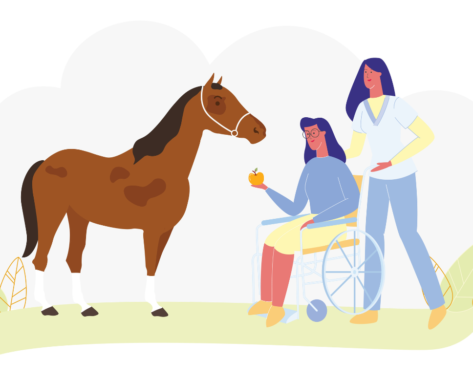
The ESL lesson about animal abilities continues with a video in which a crow solves a puzzle. Students complete a sentence to summarise their thoughts (“I was/wasn’t surprised that the crow was able to solve the problem because…”). Afterwards, they discuss questions. The questions cover signs of animal intelligence, animal abilities we’d like to have, and various ‘human’ characteristics displayed by animals. After that, students read about real-life animal stories and try to predict how each story will finish. Following the stories, they discuss related questions and consider animal behaviour. This ESL lesson about animal abilities finishes with an unusual exercise! Students look at some animal scenarios (e.g. a monkey at a zoo, a horse at a riding school). Students imagine they are the animal in the scenario and that they have the power to speak to humans about their life and experience.

WORKSHEETS

Comments

Title separator

Leave a Reply

  1. snazar13

    This is a great lesson, even for those who say that they are not animal lovers. The video is short and kickstarts some interesting conversation. The scenarios are good and allow for a variety of predictions. AND my students produced some really imaginative responses to the task where they imagine being an animal. Thank you.

    1. Megan

      Thanks for your lovely comment! That’s amazing that your students got so creative with the task!

  2. Ana Lígia Barbosa de Carvalho e Silva

    Thank you so much for this inspiring lesson! It worked perfectly for a student of mine who raises horses as a business at a ranch. The lesson, which is very well put together, provided her with authentic vocabulary that she needs in her daily life and business. You simply hit the spot! Txs! 😉

    1. Justa

      Thanks! That’s awesome! We’re thrilled that you find the lesson so useful and engaging 🙂

Browse other materials recommended for you

Title separator
dental health vocabulary
B1 / Intermediate | B2 / Upper Intermediate
Standard Lesson 60 min

At the dentist’s

General

Help your students master dental health vocabulary! In this lesson, they discuss experiences, watch a video on why some people dislike dental visits and listen to conversations at the dentist’s. They also role-play dental appointments.

ESL lesson on communication styles
B2 / Upper Intermediate
Standard Lesson 60 min

Direct or indirect? (communication styles)

General Lifestyle

Discuss conversational directness across cultures! In this ESL lesson on communication styles, students practise useful adjectives, watch a video excerpt about why the Dutch are direct and work in pairs.

street and traffic vocabulary
B2 / Upper Intermediate
Vocabulary Lab 45 min / 60 min

On the road

General

Practise street and traffic vocabulary with this lesson! Students debate infrastructure design, explore traffic signs and play a memory game. They share experiences, read about a driver’s day in traffic and give a two-minute speech.

patterns and materials vocabulary
B1 / Intermediate | B2 / Upper Intermediate
Vocabulary Lab 45 min / 60 min

I like your checked scarf! (patterns and materials)

General

Discuss clothing with this lesson! Students describe outfits, practise patterns and materials vocabulary and suggest outfits for specific scenarios. They also talk about their preferences and experiences.

B1 / Intermediate
Critical Reading Club 45 min

Is it worth keeping?

General

In this lesson, students read and talk about collectibles! They practise phrases for discussing valuable items, debate collecting objects and write a time capsule note about personal valuable items.

airport vocabulary
A2 / Pre‐Intermediate | B1 / Intermediate
Vocabulary Lab 45 min / 60 min

At the airport

General

Practise useful airport vocabulary! In this lesson, students share their experiences, listen to common phrases used at the airport and collaborate to develop a creative story with the target vocabulary.

discussing offence
B2 / Upper Intermediate | C1 / Advanced
Standard Lesson 60 min

Did I cause offence?

General Global Issues

Engage students in discussing offence! They practise useful phrases, watch a video about overcoming offence and listen to a conversation involving a confrontation. Students also role-play managing offensive interactions.

ESL lesson on humanities
A2 / Pre‐Intermediate | B1 / Intermediate
Standard Lesson 60 min

Are you into humanities?

General

Talk about human-centred subjects with this ESL lesson on humanities! Students practise key verbs for the discussion, watch a video explaining what the humanities are and debate different scenarios.

ESL lesson on creativity
B2 / Upper Intermediate
Standard Lesson 60 min

Is it easy to be creative?

General

Practise phrasal verbs related to the creative process in this ESL lesson on creativity! Students watch a video involving a creative block, discuss the nature of inspiration and put freewriting into practice.

Show more lessons

Questions

Title separator

Is there a minimum subscription period if I choose a monthly subscription?

No, there's no minimum required number of subscription months. You can cancel any time you want. Basically, you can sign up and then cancel your subscription the next day, which will mean you have access for 1 month and won't be charged again.

What currencies can I pay in for my subscription?

Our default currency is USD (American dollar), but you can also pay in EUR (euro), GBP (British pound sterling) or PLN (Polish zloty). You can change the currency you want to pay in at the Pricing page before selecting a subscription plan.

How can I edit an e-lesson plan?

You can get your own editable copy of an e-lesson plan and make changes to it. To do so, either (1) make a copy of it on your Google Drive (preferable method) or (2) download it in a Powerpoint format (but formatting might be a bit off so we can’t guarantee that it will work well).
Read more FAQ
Title separator

ESL Brains

Forgot password?
or continue with
Title separator
Title separator