Good for you! (praising and congratulating)

Title separator

Vocabulary - praise

giving and responding to praise

Students watch the video from 04:28 to 05:08

LESSON OVERVIEW

The main objectives of this lesson are to:

  • discuss giving and responding to praise and compliments;
  • practise functional language and vocabulary related to recognition;
  • watch a video about UK vs US attitudes toward praising others.

Students talk about praise and compliments. They watch part of a video (from 04:28 to 05:08) of an actor discussing UK vs US reactions to someone’s success and explore phrases for giving and responding to praise (e.g. Well done!; Good for you!; I appreciate it). Students study vocabulary related to recognition (e.g. praise, appreciate, congratulate) and the prepositions that go with these words. They work with dialogues, discuss cultural differences and work in pairs to give and respond to compliments. Students also use the target phrases to talk about achievements.

B1 / Intermediate
B2 / Upper Intermediate
60 minStandard LessonPremium Plan

WARM-UP AND VIDEO

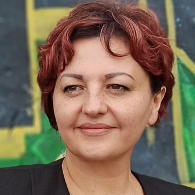
This lesson starts with a warm-up. Students look at a photo and discuss what’s happening. Afterwards, they choose the correct definitions for words related to giving and responding to praise (e.g. praise, appreciate, congratulate). Moving on, students choose the correct prepositions for praise and appreciation situations and discuss related questions. Following that, they watch part of a video of an actor discussing UK vs US reactions to success. They first guess her opinion, then watch to check their ideas. Students discuss questions about cultural differences in giving praise. They rewatch the video and tick the praise and compliment phrases (e.g. Good for you!, I appreciate it, Well done!) they hear. After that, students put the phrases from the previous task in the right categories (phrases to praise or congratulate and phrases to respond to praise).

FUNCTIONAL LANGUAGE PRACTICE

In this part of the lesson, students complete lines in dialogues where people give and respond to praise or compliments. They use words from the lesson (e.g. proud, impressive, appreciate). After that, students work in pairs. Student A chooses a category and talks about an achievement (real or imaginary). They add details. Student B praises Student A. Student A responds to the praise. They take turns being Student A and Student B and talking about different achievements. Students use phrases for giving and responding to praise (e.g. Well done!; Good for you!; I appreciate it).

HOMEWORK/REVISION

This lesson also includes an additional task that you can use as homework or revision. In the task, students complete gaps with key words from the lesson. They then write a short dialogue, using phrases for giving and responding to praise. The task is available in the teacher’s version of the worksheet. You can print it and hand it out to your students. It’s also included in the e-lesson plan.

WORKSHEETS

Comments

Title separator

Leave a Reply

  1. BTLTEACH

    Excellent work Inna, bravo!

    1. Inna

      Thank you so much for your comment! Happy you liked the lesson 🙂

  2. Lignum Nyelviskola

    In our culture, we rarely give praise. This lesson reminded me how important it is to both give and receive praise. Thank you for the lesson!

    1. BTLTEACH

      The same, I’ve always tried to put my finger on it, but Kate does a fantastic job of articulating it wonderfully!

    2. Inna

      Thank you for your feedback! We tried to address different facets of this topic in the lesson so as to make it relatable for learners of different cultures 🙂

  3. Владислав

    there’s a small problem on slide 30. the answer in sentence H (good for you) is always visible in slideshow mode.

    1. Justa

      Thanks for letting us know! We’ve just fixed that 🙂

      1. Владислав

        thank you! do you think you could also have a look at the order of matching in sentence C on page 8? the word proud is matched first, but it should be impressed (chronological order that’s used in all the other sentences).

        1. Justa

          Sure, it’s fixed now 🙂

  4. InnaLuch

    Love it! Thank you so much!

    1. Inna

      Thank you for your feedback! Happy you liked the lesson 🙂

  5. Meghan Claffey

    I’ve taught this lesson many times now and it is always a hit! Thank you!

    1. Inna

      Thank you so much for your feedback! So great to hear your students enjoyed this lesson! 🙂

Browse other materials recommended for you

Title separator
ESL lesson on difficult conversations
B2 / Upper Intermediate | C1 / Advanced
Standard Lesson 60 min

That’s a tough question

General

Practise phrases for navigating uncomfortable topics with this ESL lesson on difficult conversations! Students share thoughts, watch an athlete handle questions at the Olympics and role-play asking and answering tough questions.

dental health vocabulary
B1 / Intermediate | B2 / Upper Intermediate
Standard Lesson 60 min

At the dentist’s

General

Help your students master dental health vocabulary! In this lesson, they discuss experiences, watch a video on why some people dislike dental visits and listen to conversations at the dentist’s. They also role-play dental appointments.

ESL lesson on communication styles
B2 / Upper Intermediate
Standard Lesson 60 min

Direct or indirect? (communication styles)

General Lifestyle

Discuss conversational directness across cultures! In this ESL lesson on communication styles, students practise useful adjectives, watch a video excerpt about why the Dutch are direct and work in pairs.

street and traffic vocabulary
B2 / Upper Intermediate
Vocabulary Lab 45 min / 60 min

On the road

General

Practise street and traffic vocabulary with this lesson! Students debate infrastructure design, explore traffic signs and play a memory game. They share experiences, read about a driver’s day in traffic and give a two-minute speech.

patterns and materials vocabulary
B1 / Intermediate | B2 / Upper Intermediate
Vocabulary Lab 45 min / 60 min

I like your checked scarf! (patterns and materials)

General

Discuss clothing with this lesson! Students describe outfits, practise patterns and materials vocabulary and suggest outfits for specific scenarios. They also talk about their preferences and experiences.

B1 / Intermediate
Critical Reading Club 45 min

Is it worth keeping?

General

In this lesson, students read and talk about collectibles! They practise phrases for discussing valuable items, debate collecting objects and write a time capsule note about personal valuable items.

airport vocabulary
A2 / Pre‐Intermediate | B1 / Intermediate
Vocabulary Lab 45 min / 60 min

At the airport

General

Practise useful airport vocabulary! In this lesson, students share their experiences, listen to common phrases used at the airport and collaborate to develop a creative story with the target vocabulary.

discussing offence
B2 / Upper Intermediate | C1 / Advanced
Standard Lesson 60 min

Did I cause offence?

General Global Issues

Engage students in discussing offence! They practise useful phrases, watch a video about overcoming offence and listen to a conversation involving a confrontation. Students also role-play managing offensive interactions.

ESL lesson on humanities
A2 / Pre‐Intermediate | B1 / Intermediate
Standard Lesson 60 min

Are you into humanities?

General

Talk about human-centred subjects with this ESL lesson on humanities! Students practise key verbs for the discussion, watch a video explaining what the humanities are and debate different scenarios.

Show more lessons

Questions

Title separator

Is there a minimum subscription period if I choose a monthly subscription?

No, there's no minimum required number of subscription months. You can cancel any time you want. Basically, you can sign up and then cancel your subscription the next day, which will mean you have access for 1 month and won't be charged again.

What currencies can I pay in for my subscription?

Our default currency is USD (American dollar), but you can also pay in EUR (euro), GBP (British pound sterling) or PLN (Polish zloty). You can change the currency you want to pay in at the Pricing page before selecting a subscription plan.

How can I edit an e-lesson plan?

You can get your own editable copy of an e-lesson plan and make changes to it. To do so, either (1) make a copy of it on your Google Drive (preferable method) or (2) download it in a Powerpoint format (but formatting might be a bit off so we can’t guarantee that it will work well).
Read more FAQ
Title separator

ESL Brains

Forgot password?
or continue with
Title separator
Title separator