

 |
| LESSON OVERVIEW
The main objectives of this lesson are to:
- discuss giving and responding to praise and compliments;
- practise functional language and vocabulary related to recognition;
- watch a video about UK vs US attitudes toward praising others.
Students talk about praise and compliments. They watch part of a video (from 04:28 to 05:08) of an actor discussing UK vs US reactions to someone’s success and explore phrases for giving and responding to praise (e.g. Well done!; Good for you!; I appreciate it). Students study vocabulary related to recognition (e.g. praise, appreciate, congratulate) and the prepositions that go with these words. They work with dialogues, discuss cultural differences and work in pairs to give and respond to compliments. Students also use the target phrases to talk about achievements.
B2 / Upper Intermediate60 minStandard LessonPremium Plan
WARM-UP AND VIDEO
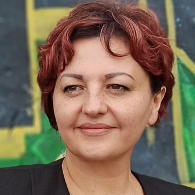
This lesson starts with a warm-up. Students look at a photo and discuss what’s happening. Afterwards, they choose the correct definitions for words related to giving and responding to praise (e.g. praise, appreciate, congratulate). Moving on, students choose the correct prepositions for praise and appreciation situations and discuss related questions. Following that, they watch part of a video of an actor discussing UK vs US reactions to success. They first guess her opinion, then watch to check their ideas. Students discuss questions about cultural differences in giving praise. They rewatch the video and tick the praise and compliment phrases (e.g. Good for you!, I appreciate it, Well done!) they hear. After that, students put the phrases from the previous task in the right categories (phrases to praise or congratulate and phrases to respond to praise).
FUNCTIONAL LANGUAGE PRACTICE
In this part of the lesson, students complete lines in dialogues where people give and respond to praise or compliments. They use words from the lesson (e.g. proud, impressive, appreciate). After that, students work in pairs. Student A chooses a category and talks about an achievement (real or imaginary). They add details. Student B praises Student A. Student A responds to the praise. They take turns being Student A and Student B and talking about different achievements. Students use phrases for giving and responding to praise (e.g. Well done!; Good for you!; I appreciate it).
HOMEWORK/REVISION
This lesson also includes an additional task that you can use as homework or revision. In the task, students complete gaps with key words from the lesson. They then write a short dialogue, using phrases for giving and responding to praise. The task is available in the teacher’s version of the worksheet. You can print it and hand it out to your students. It’s also included in the e-lesson plan.
WORKSHEETS
Subscribe to unlock these and many other Standalone lesson with the Premium plan
Subscribe







Excellent work Inna, bravo!
Thank you so much for your comment! Happy you liked the lesson 🙂
In our culture, we rarely give praise. This lesson reminded me how important it is to both give and receive praise. Thank you for the lesson!
The same, I’ve always tried to put my finger on it, but Kate does a fantastic job of articulating it wonderfully!
Thank you for your feedback! We tried to address different facets of this topic in the lesson so as to make it relatable for learners of different cultures 🙂
there’s a small problem on slide 30. the answer in sentence H (good for you) is always visible in slideshow mode.
Thanks for letting us know! We’ve just fixed that 🙂
thank you! do you think you could also have a look at the order of matching in sentence C on page 8? the word proud is matched first, but it should be impressed (chronological order that’s used in all the other sentences).
Sure, it’s fixed now 🙂
Love it! Thank you so much!
Thank you for your feedback! Happy you liked the lesson 🙂
I’ve taught this lesson many times now and it is always a hit! Thank you!
Thank you so much for your feedback! So great to hear your students enjoyed this lesson! 🙂