
 |
| LESSON OVERVIEW
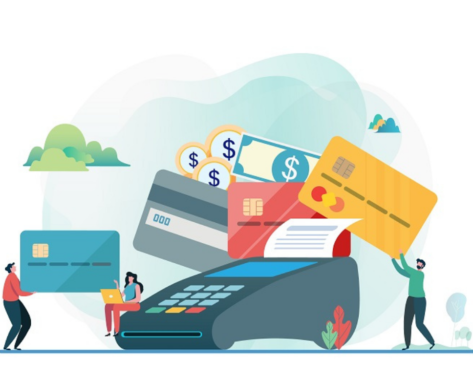
If you want to talk with your more advanced students about money, this cashless society lesson plan might be of your interest. It looks into countries that are going cashless, i.e. where people almost only use digital payment methods. The lesson plan includes a lot of vocabulary and speaking tasks.
VOCABULARY & SPEAKING
First, students need to revise some vocabulary connected with money, payments and banking. They have to complete sentences with words given. There are such words and phrases as a piggy bank, a contactless card, to tap or to withdraw. Words included in that task will be helpful in the next exercise in which students have to use prompts (photos) to talk about money. There are 6 photos showing different aspects connected with payment methods. Students have to discuss them and tell what have changed over the years when it comes to money, payments and banking. Next, they move to another speaking activity, but this time they need to choose one payment method and think of its pros and cons. Encourage your students to take into consideration such issues as speed, security, costs, etc.
VIDEO & DISCUSSION
Before watching the video, students have to learn some words that might be helpful while doing a comprehension task. Therefore, students read some sentences and have to match underlined words/phrases with their meanings provided. Make sure that they understand the vocab correctly before moving to the video. Then, let your students watch the video twice and answer open-ended questions concerning the issues presented in the video. The video is also a great starting point for a discussion about cashless society, its downsides and people who might suffer due to such a change.
Extra worksheet – Money Phrases and Idioms
We’ve prepared a idioms/">one-page extra vocabulary worksheet to focus on idioms and phrases around money. Actually, the common denominator is names for American money. Your students will learn what a penny, nickel or dime is and more importantly discover such phrases as put in your two cents, make a quick buck, worth every penny. As usual, the worksheet ends up with some discussion points so that your students can use newly acquired language.
WORKSHEETS
Subscribe to unlock these and many other Standalone lesson with the Premium plan
Subscribe






Biased. To have had a balanced lesson you should have include the case for cash.
Simon, I must disagree with you on that. The video actually includes more negative than positive consequences of going 100% cashless and touches on some topics I think many people forget about. Moreover, we wanted to steer this lesson into a debate about the pros and cons of various payment methods and the idea was to make students compare and express their opinion. I’m sorry that you feel we’re biased against cash here. BTW, there was an interesting case in the USA where 100% cashless shops were banned. I guess you can include that in your lesson. Read about it here: https://abc7news.com/shopping/san-franciscos-cashless-ban-takes-effect-friday/5484261/
Thank you so much for creating such an amazing material. :). This and other lesson plans. Greetings!
Thanks for your comment and welcome to ESL Brains! We promise we’ll continue providing more content for you!
Fantastic content, I love it! Please, keep doing great job 🙂
Thanks Jannie!
Dear Justa & Stan,
Thank you so much for these wonderful lessons. They stimulate and provoke great conversations, reminding students they can actually speak English! 😉 I have recently become a patron and feel happy to contribute in the maintenance of these lessons!
Gracias!!
Lindri
Thanks Lindri! I mean really THANK YOU for such nice words! It’s awesome to hear that our materials are useful and your students find them engaging. This kind of feedback motivates us to do more and try to develop thought-provoking and creative lessons. BTW, it’s great to have you as one of our Patrons. Welcome aboard!
Amazing lesson, my students had a great time!
Great to hear that!
Thank you so very much for that great lesson material! My online university class with students needed something like this to have a bit of fun and a lot of practical information. Great 🙂
Marta, thanks for your comment and great to hear that your students enjoyed the lesson 🙂
amazing lesson plan
I know this lesson plan is older, but I was wondering if you still have the link for the related video on YouTube. The link seems to be down currently.
Can you check that again? Everything works fine on my end. This is the link to the video for this lesson: https://youtu.be/-0ph-pvCSPc . Maybe it simply is not available in the country you are accessing it from.
I like the material very much, important topic was raised, the lesson is always easy to follow. It is understandable also for those, who has not acquired business vocabulary yet.
You did a tremendous job! Thank you so much for all your hard work!
Thanks a lot, Yana!
The lesson brings such a relevant topic. I have always thought of the people who can only have access to physical money for many reasons. I’ll certainly use this material in some classes. Thanks a lot! : )
Your questions are loaded! They assume that we will go into a cashless society whereas there are many that will defend even with their lives the right to keep cash in our societies indefinitely!
Frankly speaking, I’m not sure we are looking at the same lesson plan. In this lesson, we ask about the downsides of a cashless society, whether it’s actually safer, what problems can arise from going cashless, we even ask whether it’s really inevitable. We also ask students to talk about the pros and cons of different payment methods and the way they pay for things. The only question I think could be read as ‘loaded’ is: Would you miss cash once it’s gone?. Yes, I might have phrased it better to make it more hypothetical…. Oh, even the news report we quote here looks at the advantages and disadvantages of going cashless.
Awesome material! I applied with a student from the nvestments area and he loved it. Thank you so much for creating such incredible materials!
Great to hear that it’s helpful 🙂