
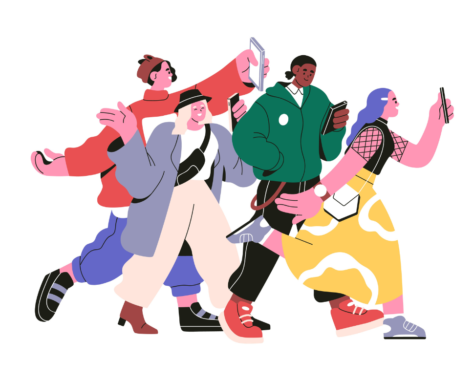
 |
| LESSON OVERVIEW
The main objectives of this lesson are to:
- engage in talking about Gen Z, their habits and characteristics;
- debate generational traits and future impacts of Gen Z;
- watch a video excerpt on the Gen Z generation.
In this lesson, students explore which time period each generation belongs to, read quotes about Gen Z and share their thoughts. They discuss current shifts in lifestyle and habits, reflect on trends in their country and watch part of a video about Gen Zers. Students evaluate contrasting opinions, talk about the impact of generational traits and work in pairs, debating the future influence of various factors. They can also do an extra vocabulary exercise to practise key vocabulary for the discussion (e.g. be glued to, notorious for, double down on).
60 minSpeaking ClassUnlimited Plan
This is a Speaking Class worksheet. It includes a variety of tasks that let your students practise their speaking skills. This lesson format does not focus on grammar or vocabulary. Learn more about it here.
WARM-UP AND DISCUSSION
This lesson focuses on talking about Gen Z and starts with a warm-up. Students look at information about generations (e.g. Baby Boomers, Gen X, Millennials) and do tasks where they name people they know and compare their attitudes. At this point, students can do an extra vocabulary task. They read statements about different generations and match useful phrases (e.g. be inclined to, set apart, align with) with their definitions. Then, students discuss to what extent they agree with them and provide examples. After that, they read quotes about Gen Z and say whether they have seen similar conduct among the Gen Zers they know. Next, students discuss the possible downsides of the traits mentioned in the quotes.
VIDEO AND MORE DISCUSSION
In this part of the lesson, students examine lifestyle categories (e.g. driving license) and identify emerging Gen Z trends. After that, they watch a video excerpt about Gen Zers and compare their ideas from the previous task. Then, students identify similar trends in their local contexts. Moving on, they analyse pairs of opinions about points from the video. In each pair, students choose the opinion they agree with more, explain why and say whether the other view holds any truth. Next, they engage in talking about Gen Z and its common characteristics (e.g. using voice notes). Students discuss the pros, cons and perceptions of generational shifts. Finally, in pairs, they debate various factors (e.g. mental health awareness). Student A argues for the positive impact on Gen Z’s future, while Student B discusses the potential negative consequences. After rotating roles, they decide which factor will be most influential.
WORKSHEETS
Subscribe to unlock these and many other Standalone lesson lesson plans with the Unlimited plan
Subscribe








Why two high-level episodes about Gen Z back to back? There are barely any high-level lessons being published at the moment as it is and I’m starting to run out of things to teach from this site to one of my particularly ravenous students.
This lesson was a bit hit, thanks!
Thank you for your comment! We’re happy your students enjoyed the lesson 🙂