
 |
| LESSON OVERVIEW
The main objectives of this speaking lesson on posting online are to:
- talk about online content, privacy and consent;
- look into the impact of posting videos online;
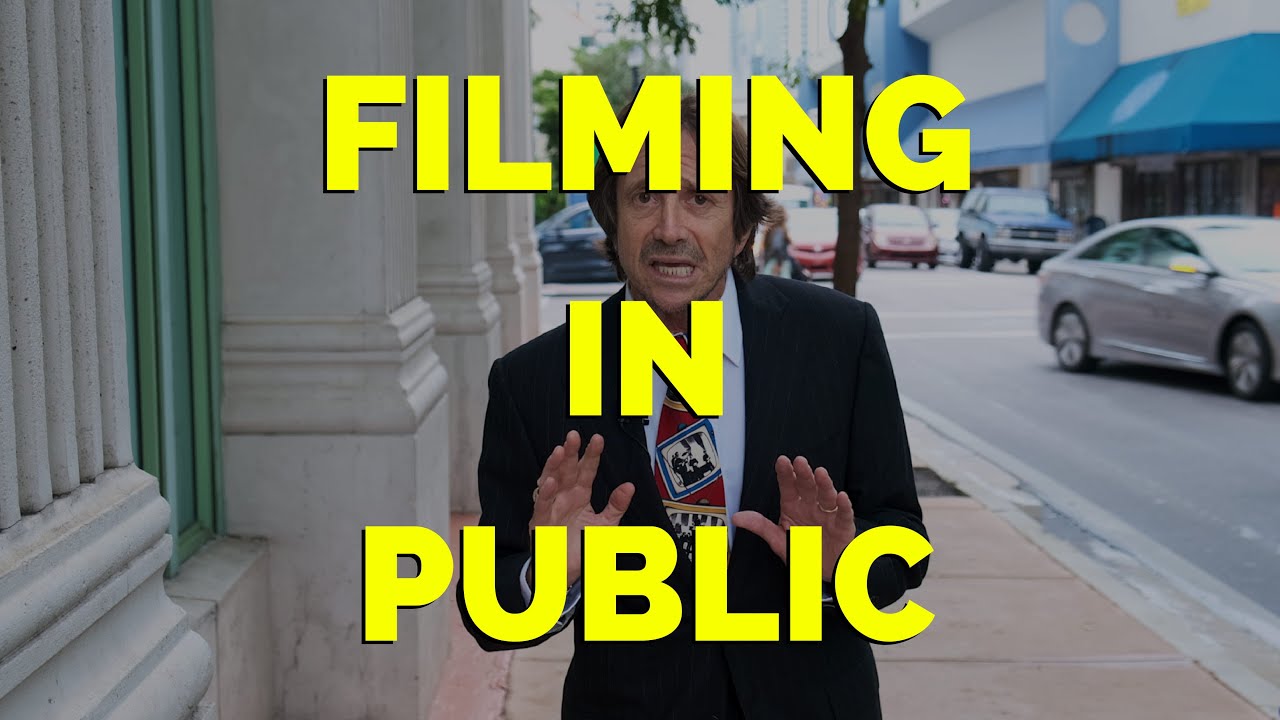
- watch a video segment about the rules of filming in public.
In this lesson, students discuss the types of online content they enjoy, examine a social media photo and discuss privacy. They watch part of a video explaining the US rules on filming in public, discuss consent for taking public pictures and say what they would do in different situations. Students explore the effects of sharing videos online and share their opinions on comments about posting photos and videos of strangers. They can also do an extra vocabulary activity on suffixes and practise useful phrases for the lesson (e.g. personal data, permission for, socially unacceptable).
B2 / Upper Intermediate45 min
60 minSpeaking ClassUnlimited Plan
This is a Speaking Class worksheet. It includes a variety of tasks that let your students practise their speaking skills. This lesson format does not focus on grammar or vocabulary. Learn more about it here.
WARM-UP AND DISCUSSION
Before this speaking lesson on posting online starts, students can do an extra vocabulary task. They complete words with suffixes (e.g. -able, -acy, -al) in different categories related to privacy and behaviour (e.g. Some examples of personal data are: date of birth,…). Students then add one more example to each category. Afterwards, they do a warm-up activity. Students say which types of online content (e.g. silly pranks, cute animals, memes) they enjoy and which they don’t. They explain and give details. Moving on, students look at a social media photo. They discuss why there are blurred faces in the picture and the issues of privacy.
VIDEO AND MORE DISCUSSION
In this part of this speaking lesson on posting online, students watch part of a video where a lawyer explains the rules of filming in public in the US. They say if they think ‘reasonable expectation of privacy’ is fair, or whether the law about filming in public should be different. Afterwards, students discuss questions about privacy and consent for taking public photos and videos. They then decide how they would handle different scenarios involving privacy and consent. Students explain why. Moving on, they read the descriptions of social media videos (e.g. group of seniors dancing in the park). Students do tasks where they discuss the impact of posting videos online. Finally, they look at comments about posting photos and videos of strangers and explain why they agree or disagree with them.
WORKSHEETS
Subscribe to unlock these and many other Standalone lesson lesson plans with the Unlimited plan
Subscribe





Comments