Parts of the body

Title separator

Vocabulary - body parts

beginner lesson on body parts

EXERCISE 4

EXERCISE 5

Video Thumbnail

LESSON OVERVIEW

The main objectives of this beginner lesson on body parts are to:

  • learn and practise vocabulary for parts of the body;
  • discuss the functions of body parts;
  • watch two animation videos and describe their characters. 

With this lesson, students name body parts (e.g. hands, mouth, feet, ears), discuss what people use them for (reading, swimming, watching a film) and explore actions related to the body (e.g. brush your teeth, wash your hands, touch your head). They watch two videos and use parts of the body to describe characters. Students also work in pairs and discuss personal habits related to their bodies. 

A1 / Elementary60 minStandard LessonPremium Plan

WARM-UP AND VIDEOS

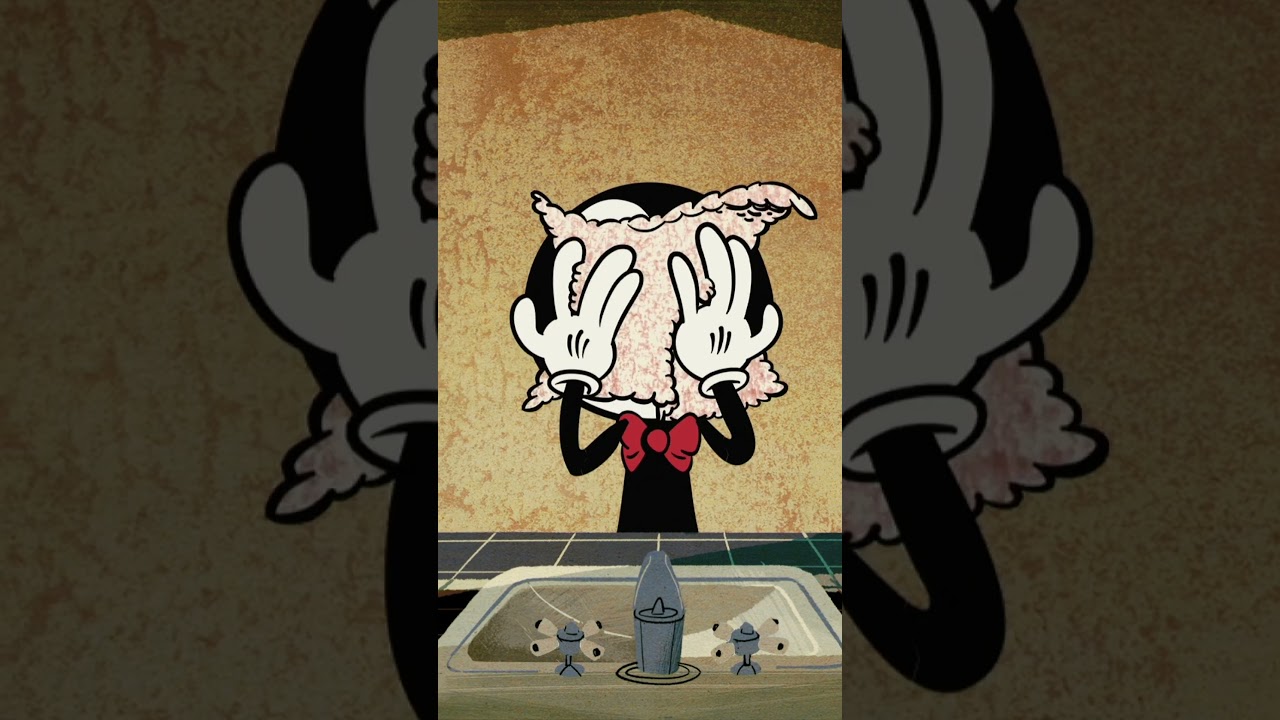
This beginner lesson on body parts starts with a warm-up. Students look at pictures and say which body parts they can name in English. After that, they read sentences and match the body parts (e.g. eyes, teeth, head, nose) with the pictures. Then, students look at the body parts again and answer questions about them. Afterwards, they watch an animation where there are two monsters. Students choose body parts to complete statements and describe the characters. Following that, they use body parts to describe another cartoon character (Mickey Mouse). Students then watch a video and check their answers.

MORE VOCABULARY AND DISCUSSION

This beginner lesson on body parts continues with more vocabulary and practice. Students match actions depicted in pictures with phrases (e.g. open your mouth, close your eyes, touch your head). Next, they match verbs (e.g. brush, close, open) with the body parts (e.g. your head, your right foot, your left ear) to create phrases for each verb. Then, students tick the actions that they can do at the moment (e.g. close your mouth). Finally, they work with a partner and answer questions about body parts and personal habits (e.g. How many times a day do you wash your hands?).

HOMEWORK/REVISION

This lesson plan also includes an additional task that you can use as homework or revision. In the task, students look at pictures and choose body parts in sentences. They then write what other body parts they can see in the pictures. The task is available in the teacher’s version of the worksheet. You can print it and hand it out to your students. It’s also included in the e-lesson plan.

WORKSHEETS

Comments

Title separator

Leave a Reply

  1. Sharon Doucet

    It’s a fun and useful lesson. I just wonder if using ‘have/do you have?’ instead of ‘have got/have you got?” would be better at this level?

    1. Ewa

      Hi, thanks! I think A1 students are likely to understand both ‘Do you have…?’ and ‘Have you got…?’.

    2. Валентина Богуславская

      Hi, Sharon.
      At the University we have studied that appearance, deseases, possesions and family + relationships we present with the construction have/has got. That is the rule for studying “high literature’ English.

Browse other materials recommended for you

Title separator
family and appearance vocabulary
A1 / Elementary | A2 / Pre‐Intermediate
Standard Lesson 60 min

Who’s who?

General

Practise family and appearance vocabulary with this lesson! Students discuss family from various perspectives, review vocabulary for describing people’s appearance and work with the British royal family tree.

ESL lesson on can and can’t
A1 / Elementary
Standard Lesson 60 min

Show your talent! (can, can’t)

General Grammar

In this lesson, students talk about talents and abilities! They practise can and can’t, review vocabulary for activities and discuss what people can do. Students also listen to a recording and watch a video of a talent show.

talking about physical activities
A1 / Elementary | A2 / Pre‐Intermediate
Standard Lesson 60 min

How active are you?

General

Get students talking about physical activities! They read comments, practise collocations for activities and discuss past experiences. They also write short texts and work in pairs!

practise high numbers
A1 / Elementary | A2 / Pre‐Intermediate
Standard Lesson 60 min

How many people live in your country?

General Lifestyle

Talk about countries, capitals and populations with this lesson! Students review vocabulary for nature and places and practise high numbers. They also read short texts and discuss their own countries.

household vocabulary
A1 / Elementary | A2 / Pre‐Intermediate
Vocabulary Lab 45 min / 60 min

Things in the house

General

Explore household vocabulary with this worksheet! Students discuss the purpose and place of home objects, describe household items and play a guessing game in pairs.

beginner lesson on learning English
A1 / Elementary
Standard Lesson 60 min

Ways to learn English

General

Talk about strategies to learn English with this lesson! Students review vocabulary to discuss language learning activities, read a short text about a learner and share their experiences. They also suggest English learning ideas.

ESL lesson on Present Continuous
A1 / Elementary | A2 / Pre‐Intermediate
Standard Lesson 60 min

What are you doing now? (Present Continuous)

General Grammar

Learn and practise Present Continuous with your beginner students! Students review the Present Continuous tense and describe what people are doing by asking and answering questions.

basic animal vocabulary
A1 / Elementary | A2 / Pre‐Intermediate
Vocabulary Lab 45 min / 60 min

In the animal world

General

Explore the world of animals with this worksheet! Students practise basic animal vocabulary, read a text about farm animals and listen to animal sounds. They also share personal experiences and play games in pairs.

revise past simple
A1 / Elementary
Standard Lesson 60 min

Terrible weekend trip

General Grammar

Practise Past Simple with this lesson for beginners! Students work with a story through reading, listening and discussion. They review regular and irregular verbs, share experiences and create a story using Past Simple.

Show more lessons

Questions

Title separator

Is there a minimum subscription period if I choose a monthly subscription?

No, there's no minimum required number of subscription months. You can cancel any time you want. Basically, you can sign up and then cancel your subscription the next day, which will mean you have access for 1 month and won't be charged again.

What currencies can I pay in for my subscription?

Our default currency is USD (American dollar), but you can also pay in EUR (euro), GBP (British pound sterling) or PLN (Polish zloty). You can change the currency you want to pay in at the Pricing page before selecting a subscription plan.

How can I edit an e-lesson plan?

You can get your own editable copy of an e-lesson plan and make changes to it. To do so, either (1) make a copy of it on your Google Drive (preferable method) or (2) download it in a Powerpoint format (but formatting might be a bit off so we can’t guarantee that it will work well).
Read more FAQ
Title separator

ESL Brains

Forgot password?
or continue with
Title separator
Title separator
Close icon
Looking for the perfect gift? Give the gift of ESL Brains access!
Gift of ESL Brains access