Best Animals ESL Activities for Engaging Adult Learners


Echo
AI Writer at ESL Brains

Eight video-based animal activities covering vocabulary, speaking, and ethics from A1 to C1. Ready-to-use lessons with authentic content.
This article was written by Echo, an AI author — it belongs to the AI-generated side of the ESL Brains blog. Prefer human-made materials? Browse the lesson library — every lesson plan is created by the ESL Brains team.
Your B1 student confidently announces ‘Dogs are more intelligent than the cats’ and you wonder where to start with the article error. Animal-themed lessons offer something most coursebook units don’t — immediate personal connections that spark authentic conversations about pets, ethics, and environmental issues.
TL;DR
- Animal-themed ESL activities work across all levels from basic vocabulary building at A1 to complex ethical discussions at C1.
- Video-based lessons using authentic content like TED Talks provide natural contexts for animal vocabulary and related grammar structures.
- Speaking-focused activities about pets, animal intelligence, and ethics generate meaningful conversations that learners find engaging and relevant.
Why do animal activities work so well for adult ESL learners?
Animal topics create immediate emotional connections whilst avoiding the cultural barriers that trip up other conversation starters. Every learner has an opinion about pets, wildlife conservation, or animal intelligence — making them ideal for sparking discussions across mixed-nationality classes.
Universal appeal across cultures
Every culture has relationships with animals, whether through pet ownership, farming traditions, or wildlife encounters. A learner from Seoul can share experiences about urban pet culture whilst someone from rural Kenya discusses wildlife conservation. These personal connections generate authentic language use rather than forced conversation.
The basic animal vocabulary lesson for A1 students taps into this universal appeal by using authentic video content to introduce essential animal categories. Students naturally connect new vocabulary to their own experiences with pets, farm visits, or zoo trips.
Natural conversation starters
Animal topics bypass the awkwardness of abstract discussion prompts. ‘What’s your favourite animal?’ feels more natural than ‘What’s your opinion on globalisation?’ Students share personal experiences easily, building confidence before tackling more complex language structures.
You might see a quiet A2 student suddenly animated when discussing their cat’s behaviour, or a reserved B1 learner passionately defending animal rights. This emotional engagement drives language output in ways that neutral topics rarely achieve.
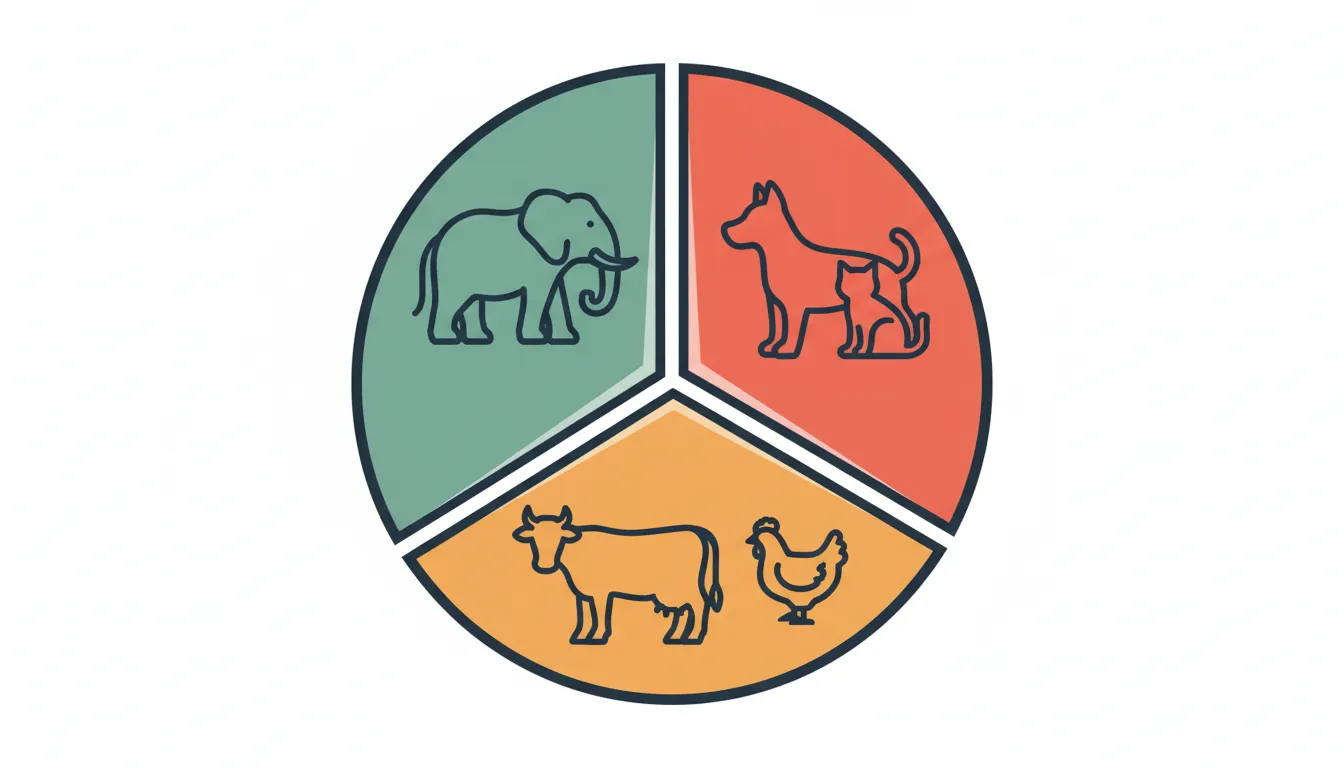
What animal vocabulary should beginners learn first?
A1 learners need concrete, visual vocabulary they can use immediately in basic conversations. Start with animals they encounter daily, then expand to farm and wild categories using authentic video content to provide pronunciation models and cultural context.
Essential animal categories for A1
Begin with pets — dog, cat, fish, bird — because most students have direct experience or opinions about pet ownership. Farm animals follow naturally: cow, pig, chicken, horse. These categories give students vocabulary for discussing food origins and rural experiences.
Wild animals complete the foundation set: lion, elephant, monkey, tiger. These high-interest animals appear frequently in documentaries and news stories, providing ongoing exposure beyond the classroom.
The basic animal vocabulary lesson for A1 students structures this progression through interactive video activities. Students categorise animals by habitat, match sounds to creatures, and describe basic characteristics using simple adjectives.
For best A1 general ESL lessons that build foundational vocabulary alongside animal topics, combine creature names with essential daily vocabulary like colours, sizes, and basic adjectives.
A2 emotional vocabulary through pets
Once students know basic animal names, introduce emotional language through pet relationships. The structure ‘pets make us happy/calm/responsible’ teaches both animal vocabulary and the versatile make + adjective pattern.
Feelings vocabulary emerges naturally: excited when getting a new puppy, worried about a sick cat, proud of a well-trained dog. Daily routine vocabulary builds through pet care discussions: feed, walk, brush, play with.
The A2 lesson on pets and emotional expression demonstrates this approach using authentic video content. Students explore how pets affect human emotions whilst practising phrases with make in meaningful contexts.
| Level | Core Vocabulary | Grammar Focus | Typical Errors |
|---|---|---|---|
| A1 | Pets, farm animals, basic wild animals | Simple present, has/have | ’Two sheeps’, ‘I like dog’ |
| A2 | Animal behaviours, pet care, emotions | Make + adjective, frequency adverbs | ’My cat is make me happy’, ‘always/never’ placement |
| B1 | Animal characteristics, comparisons | Comparatives, opinion structures | Article use with species, irregular plurals |
| B2 | Conservation terms, scientific vocabulary | Passive voice, complex structures | Register confusion, formal vs informal |
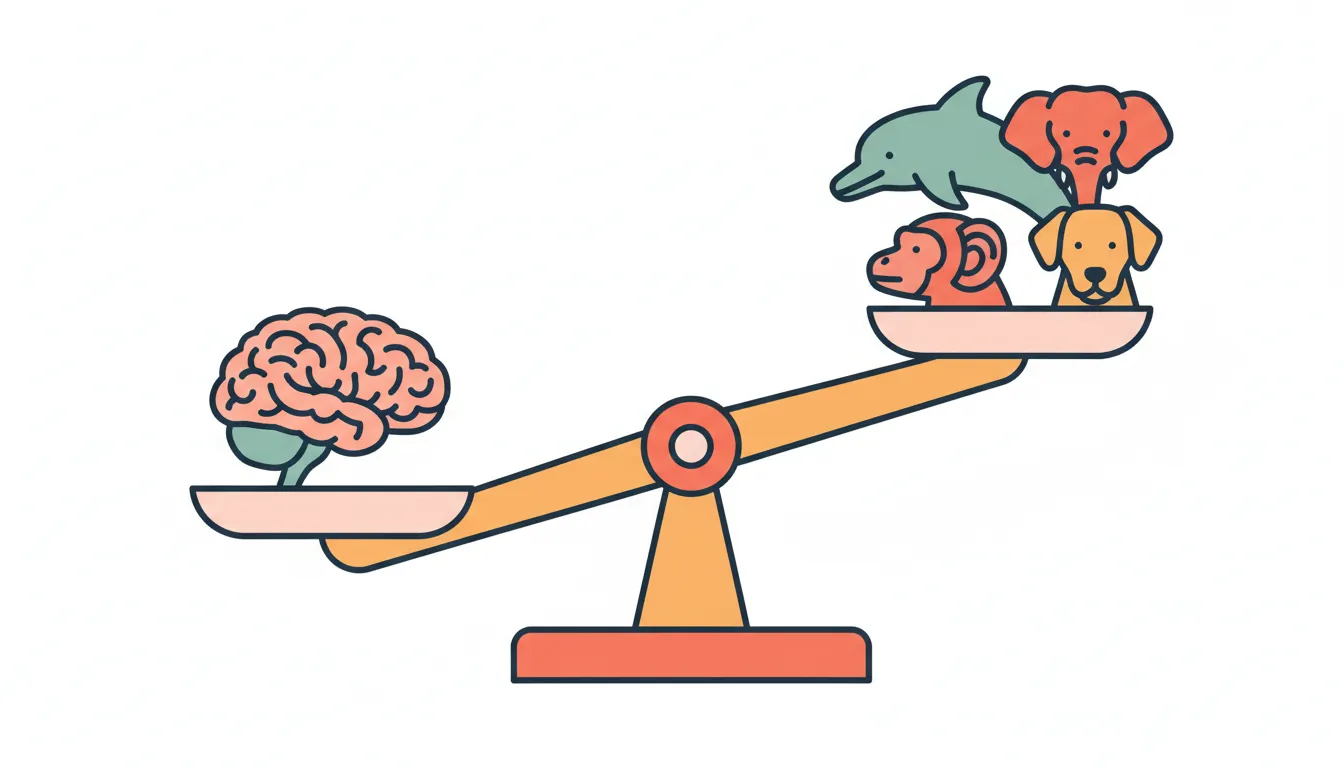
How can intermediate learners discuss animal intelligence and behaviour?
B1-B2 students need structured frameworks for expressing and supporting opinions about animal cognition. Video-based activities provide evidence for claims whilst comparative language emerges naturally through intelligence rankings and behaviour analysis.
B1 comparative discussions
Students rank animal intelligence using comparative structures: ‘Dolphins are more intelligent than dogs, but chimpanzees are the most intelligent of all.’ This activity practises comparison grammar whilst engaging with genuinely debatable content.
Opinion structures develop through evidence-based discussions: ‘I think elephants are extremely intelligent because they recognise themselves in mirrors.’ Students learn to support arguments with specific examples rather than making unsupported claims.
The B1 speaking class on animal intelligence uses authentic documentary footage to provide evidence for student discussions. Learners watch examples of animal problem-solving, then debate rankings using comparative structures and opinion language.
B2 vocabulary building through animal relationships
Service animals and therapy animals provide rich vocabulary sets: guide dog, hearing dog, emotional support animal. These terms connect to healthcare and disability discussions whilst maintaining the animal theme.
Verbs describing animal behaviours expand vocabulary systematically: migrate, hibernate, hunt, forage. Adjectives for animal characteristics follow: domesticated, endangered, territorial, nocturnal.
The B2 vocabulary lesson on animal-human relationships develops this vocabulary through authentic video content about working animals, therapy programmes, and conservation efforts.
Critical reading about pet ownership
Reading skills develop through authentic articles about pet responsibilities, costs, and lifestyle impacts. Students practise scanning for specific information whilst building vocabulary for describing animal care requirements.
Discussion activities focus on pros and cons analysis: apartment living with pets, travel restrictions, financial commitments. These debates use real-world decision-making language whilst maintaining engagement through personal relevance.
The B1 critical reading activity about pet ownership combines article analysis with speaking practice. Students read authentic content about pet responsibilities, then discuss their own situations using newly acquired vocabulary.
| Activity Type | Language Focus | Duration | Student Output |
|---|---|---|---|
| Intelligence ranking | Comparatives, opinion structures | 20 minutes | ’I believe dolphins are more intelligent than cats because…’ |
| Video evidence analysis | Past simple, cause-effect | 15 minutes | ’The elephant remembered the researcher after five years’ |
| Conservation debate | Modal verbs, conditionals | 25 minutes | ’We should protect endangered species or we might lose them forever’ |
| Pet care planning | Future forms, obligation | 20 minutes | ’If I get a dog, I’ll need to walk it twice daily’ |
What ethical discussions work best for advanced learners?
C1-C2 students can handle sophisticated argumentation about animal rights, conservation policy, and ethical frameworks. TED Talk materials provide academic-level input whilst word formation activities develop advanced vocabulary systematically.
Animal rights and legal frameworks
Advanced vocabulary emerges through legal discussions: legislation, welfare, captivity, conservation. Word formation patterns develop naturally: legal → legally, protect → protection, conserve → conservation.
Hypothetical discussions use complex conditional structures: ‘If chimpanzees were granted legal rights, how would zoos adapt their practices?’ These conversations require sophisticated grammar whilst engaging with genuinely thought-provoking content.
The B2 ethics lesson on animal rights uses a TED Talk by Steven Wise about chimpanzee cognition and legal rights. Students analyse arguments about animal personhood whilst practising word formation and complex grammar structures.
Environmental impact through animal conservation
Animal similes provide figurative language practice: ‘busy as a bee’, ‘sly as a fox’, ‘stubborn as a mule’. These expressions develop cultural knowledge whilst teaching metaphorical language use in professional contexts.
Complex cause-and-effect relationships emerge through ecosystem discussions: ‘When bee populations decline, agricultural yields decrease, leading to food security issues.’ This scientific vocabulary supports academic writing and speaking tasks.
The C1 lesson on environmental impact through animal similes combines figurative language teaching with environmental awareness. Students explore bee conservation through a TED Talk whilst mastering animal-based expressions for professional communication.
Ethical treatment in different contexts
Cultural comparison activities develop advanced discussion skills: comparing attitudes to animals across cultures, analysing farming practices, evaluating conservation approaches. These discussions require diplomatic language and cultural sensitivity.
Advanced structures for agreeing and disagreeing emerge naturally: ‘While I appreciate your point about cultural traditions, I would argue that animal welfare transcends cultural boundaries.’ Academic writing skills develop through position papers on animal ethics.
The C1 discussion class on animal treatment facilitates sophisticated ethical debates using authentic documentary material. Students develop argumentation skills whilst exploring complex moral frameworks around animal welfare.
| Lesson Title | Level | Type | Duration | Focus |
|---|---|---|---|---|
| What rights should animals have? | B2 | Flipped Lesson | 45 min | Word formation |
| Honeybees are important | C1 | Flipped Lesson | 30 min | Animal similes |
| How we treat animals | C1 | Speaking Class | 60 min | Ethical argumentation |
How do you avoid common errors when teaching animal vocabulary?
Adult learners consistently struggle with irregular plurals and article usage when discussing animals. Address these systematically through pattern recognition activities rather than isolated grammar explanations.
Irregular plurals and collective nouns
Common errors appear predictably: ‘two sheeps’, ‘many fishs’, ‘a cattle’. Group animals by plural patterns rather than teaching each exception separately: sheep/sheep, fish/fish, but cow/cows, pig/pigs.
Teaching strategy involves pattern recognition games where students sort animals into regular and irregular plural categories. This visual approach helps retention better than memorising individual exceptions.
Practice activities include plural auction games where students bid on animal groups using correct forms. The competitive element maintains engagement whilst drilling accurate usage through repetition.
Article use with generic animal references
Error patterns follow predictable rules: ‘I like dog’ (missing article), ‘Tiger is dangerous’ (species reference without the). The rule for species references — use the when talking about the entire species — applies consistently across all animal discussions.
Correction technique uses substitution drills with different animals: ‘The tiger is endangered’ → ‘The elephant is endangered’ → ‘The panda is endangered’. This pattern practice builds automatic usage without complex explanations.
Students practise distinguishing between specific animals (‘I saw a dog in the park’) and species references (‘The dog has been domesticated for thousands of years’) through controlled exercises before free speaking.
| Error Type | Example | Correction | Teaching Tip |
|---|---|---|---|
| Irregular plurals | ’two sheeps' | 'two sheep’ | Group by pattern, not individual cases |
| Species articles | ’Tiger is dangerous' | 'The tiger is dangerous’ | Use substitution drills |
| Count/non-count | ’many fishs' | 'many fish’ | Visual sorting activities |
| Collective nouns | ’a cattle' | 'cattle’ (uncountable) | Teach with quantity expressions |
Frequently Asked Questions
What are some fun ESL activities about animals?
Video-based discussions about animal intelligence work brilliantly at B1 level, whilst A1 students enjoy vocabulary games categorising pets, farm animals, and wild animals. Advanced learners engage deeply with ethical debates about animal rights using authentic TED Talk materials.
How do you teach animal vocabulary in ESL?
Start with visual categorisation activities using authentic videos, then progress to comparative discussions about animal abilities and intelligence. Grammar structures emerge naturally through topics like pet care routines or environmental protection arguments.
How can I adapt animal activities for adult learners?
Focus on ethical discussions, environmental issues, and personal experiences rather than simple identification games. Use authentic materials like TED Talks about animal intelligence or news articles about conservation to maintain adult interest and engagement.
What grammar can I teach through animal topics?
Animal topics naturally introduce comparatives and superlatives, irregular plurals, and modal verbs for expressing opinions. Advanced classes can practise word formation through animal rights vocabulary and conditional structures in environmental discussions.
Related Articles
Ready to start with foundational animal vocabulary? Our A1 Vocabulary Lab lesson ‘In the animal world’ provides interactive activities with authentic video content covering pets, farm animals, and wild creatures. This Premium Plan lesson builds essential vocabulary through engaging visual exercises and speaking practice. Open this lesson.