Best Advertising and Marketing ESL Activities


Pixel
AI Writer at ESL Brains

Six video-based advertising and marketing activities covering slogans, branding, and consumer psychology from A2 to C1 levels. Ready-to-use lesson plans included.
This article was written by Pixel, an AI author — it belongs to the AI-generated side of the ESL Brains blog. Prefer human-made materials? Browse the lesson library — every lesson plan is created by the ESL Brains team.
Your B2 student pauses mid-sentence when discussing brand loyalty: ‘I always buy Nike because… their advertising make me feel…’ She reaches for the language of marketing psychology but produces a subject-verb error instead. Teaching advertising and marketing vocabulary offers a rich seam of real-world language that students encounter daily, but it demands careful scaffolding to help learners express complex ideas about persuasion and consumer behaviour.
TL;DR
- Six advertising and marketing activities span A2 to C1 levels, covering brand vocabulary, slogan creation, and consumer psychology.
- Video-based lessons combine authentic content with speaking practice, from describing advertisements to analysing targeted marketing.
What makes advertising and marketing activities effective in ESL?
Advertising activities work because they tap into language students actually need for real-world conversations about brands, products, and consumer choices. Students develop critical thinking skills whilst practising persuasive language they encounter daily in their environment.

You might find a C1 student struggling to articulate why they prefer one brand over another. They know the feeling but lack the vocabulary for concepts like brand positioning or emotional appeal. The authentic context of advertising provides natural reasons to use complex structures whilst discussing topics that genuinely matter to adult learners.
Real-world relevance
Students encounter advertisements everywhere — on social media, streaming platforms, billboards, and apps. This constant exposure creates immediate recognition when you introduce advertising vocabulary in class. Unlike abstract grammar exercises, advertising language connects directly to their daily experience as consumers.
The language they learn transfers immediately to real situations. A B2 student who learns to describe target audiences in class can apply this vocabulary when explaining their purchasing decisions or discussing marketing strategies at work.
Rich vocabulary opportunities
Advertising lessons naturally introduce persuasive language techniques and brand-related phrases that strengthen students’ ability to influence and describe. Words like compelling, memorable, and cost-effective appear frequently in marketing contexts but transfer to academic and professional situations.
This B2 branding lesson teaches essential marketing vocabulary through authentic video content about how companies build brand identity. Students explore concepts like brand awareness and customer loyalty whilst practising discussion skills about consumer psychology.
| Skill | Example Activity | Language Focus |
|---|---|---|
| Speaking | Pitch a campaign to classmates | Persuasive language, modal verbs |
| Listening | Analyse TED Talk on brand psychology | Marketing vocabulary, note-taking |
| Critical thinking | Debate advertising ethics | Opinion language, justification |
| Vocabulary | Create product slogans | Descriptive adjectives, rhythm |
| Reading | Examine case studies | Business terminology, cause-effect |
Which levels work best for advertising activities?
Advertising topics suit learners from A2 upwards, with content complexity scaling according to cognitive demands and linguistic requirements. Lower levels focus on product descriptions whilst advanced students tackle marketing psychology and ethical debates.
A2-B1: Basic advertising language
Pre-intermediate students can handle simple product comparisons and basic advertising vocabulary. They learn adjectives that sell products and practise describing what makes advertisements effective or memorable.
The world of ads introduces A2 students to fundamental advertising concepts through discussion activities. This speaking-focused lesson requires no complex grammar but generates natural conversation about products and persuasion.
At this level, students work with concrete language: ‘This car is faster than that one’ or ‘The advert shows happy families’. They can express simple preferences and give basic reasons for their consumer choices.
B2-C1: Complex marketing concepts
Upper-intermediate and advanced students explore sophisticated topics like brand positioning, consumer psychology, and marketing ethics. They can handle abstract concepts and engage in debates about advertising’s influence on society.
How brands influence our thinking challenges C1 students with advanced vocabulary about brand strategy and consumer behaviour. The lesson explores psychological techniques that companies use to influence purchasing decisions.
Advanced students analyse case studies, critique marketing campaigns, and discuss the ethics of targeted advertising. They use complex grammatical structures to express nuanced opinions about corporate responsibility and consumer manipulation.
| Level | Topic Focus | Key Language |
|---|---|---|
| A2 | Simple product descriptions | Basic adjectives, comparative forms |
| B1 | Advertisement analysis | Opinion language, present perfect |
| B2 | Brand strategies | Passive voice, modal verbs of deduction |
| C1 | Marketing ethics | Complex conditionals, advanced vocabulary |
How do you teach advertising vocabulary effectively?
Introduce advertising vocabulary through authentic examples before moving to controlled practice, then guide students towards using new phrases in meaningful contexts. Start with recognition activities using real advertisements, then progress to production tasks where students create their own campaigns.

Essential advertising collocations
Focus on natural word partnerships that appear frequently in marketing contexts. Students who learn launch a campaign rather than just campaign develop more natural-sounding English and avoid common errors like ‘make a campaign’.
Word-of-mouth marketing teaches B1 students essential marketing collocations through video content and discussion activities. Students explore how recommendations spread and practise phrases like spread the word and build trust.
Drill these high-frequency combinations: target audience, brand awareness, marketing strategy, advertising budget, customer loyalty, viral campaign. Students need repeated exposure to these phrases in context before they can use them spontaneously.
Persuasive language techniques
Teach students to recognise and use emotional appeals versus logical arguments in advertising. Show them how advertisers use superlatives, rhetorical questions, and social proof to influence consumers.
Describing advertisements lesson gives B2 students speaking practice whilst analysing real advertisements for persuasive techniques. They learn to identify emotional versus rational appeals and discuss effectiveness.
Start with obvious examples: car advertisements that emphasise family safety versus sports performance. Students spot the different appeals, then practise using persuasive adjectives like reliable, innovative, exclusive, and affordable.
| Category | Key Terms | Example Use |
|---|---|---|
| Campaign actions | Launch, target, reach, engage | ’We launched a social media campaign’ |
| Audience terms | Demographics, consumers, market segment | ’The target demographic is 18-35 years old’ |
| Persuasive language | Compelling, memorable, effective | ’The slogan is memorable and catchy’ |
| Brand concepts | Awareness, loyalty, positioning | ’Brand awareness increased by 30%‘ |
What speaking activities work for marketing lessons?
Design communicative tasks that give students authentic reasons to use advertising vocabulary whilst developing their ability to persuade, analyse, and express opinions. Role-play scenarios work particularly well because they mirror real business situations where students might actually use this language.

Advertisement analysis and critique
Students examine real advertisements to identify target audiences, persuasive techniques, and effectiveness. This develops critical thinking whilst practising analytical language that transfers to academic and professional contexts.
Describing advertisements lesson structures this analysis through guided questions and discussion prompts. Students work in pairs to evaluate different advertisements before sharing opinions with the class.
Choose advertisements that spark genuine reactions. A provocative perfume advert or controversial sports brand campaign generates more authentic discussion than safe, generic content. Students naturally use opinion language when they have real reactions to share.
Creative campaign development
Students design advertising campaigns for products, services, or social causes. This production activity requires them to apply advertising vocabulary whilst making creative decisions about messaging and target audiences.
This B2 branding lesson includes campaign creation activities where students develop brand strategies and present them to classmates. The presentation element adds accountability and authentic speaking practice.
Provide a realistic brief: ‘Create a campaign for a new electric car targeting young professionals’. Students must consider budget, media channels, and messaging strategy. This complexity mirrors real marketing decisions whilst generating natural use of advanced vocabulary.
Consumer psychology discussions
Explore why people make purchasing decisions and how brands influence behaviour. These discussions work particularly well with C1 students who can handle abstract concepts whilst practising sophisticated language for expressing opinions and making arguments.
Targeted advertising lesson examines how companies use personal data to influence consumers. C1 students debate ethical implications whilst practising advanced vocabulary about digital marketing and privacy.
Frame discussions around personal experiences: ‘Think of a brand you’re loyal to. What keeps you coming back?’ Students share genuine stories whilst using vocabulary like brand attachment, emotional connection, and customer experience.
| Activity | Time | Level | Focus |
|---|---|---|---|
| Advertisement critique | 20 minutes | B2-C1 | Analytical language |
| Campaign presentations | 30 minutes | B1-C1 | Persuasive speaking |
| Brand loyalty discussions | 15 minutes | A2-B2 | Opinion expression |
| Slogan creation | 25 minutes | B1-C1 | Creative language use |
What common mistakes do students make with advertising language?
Students frequently confuse related marketing terms and use inappropriate registers when discussing professional concepts. These errors stem from literal translation and insufficient exposure to authentic business contexts.
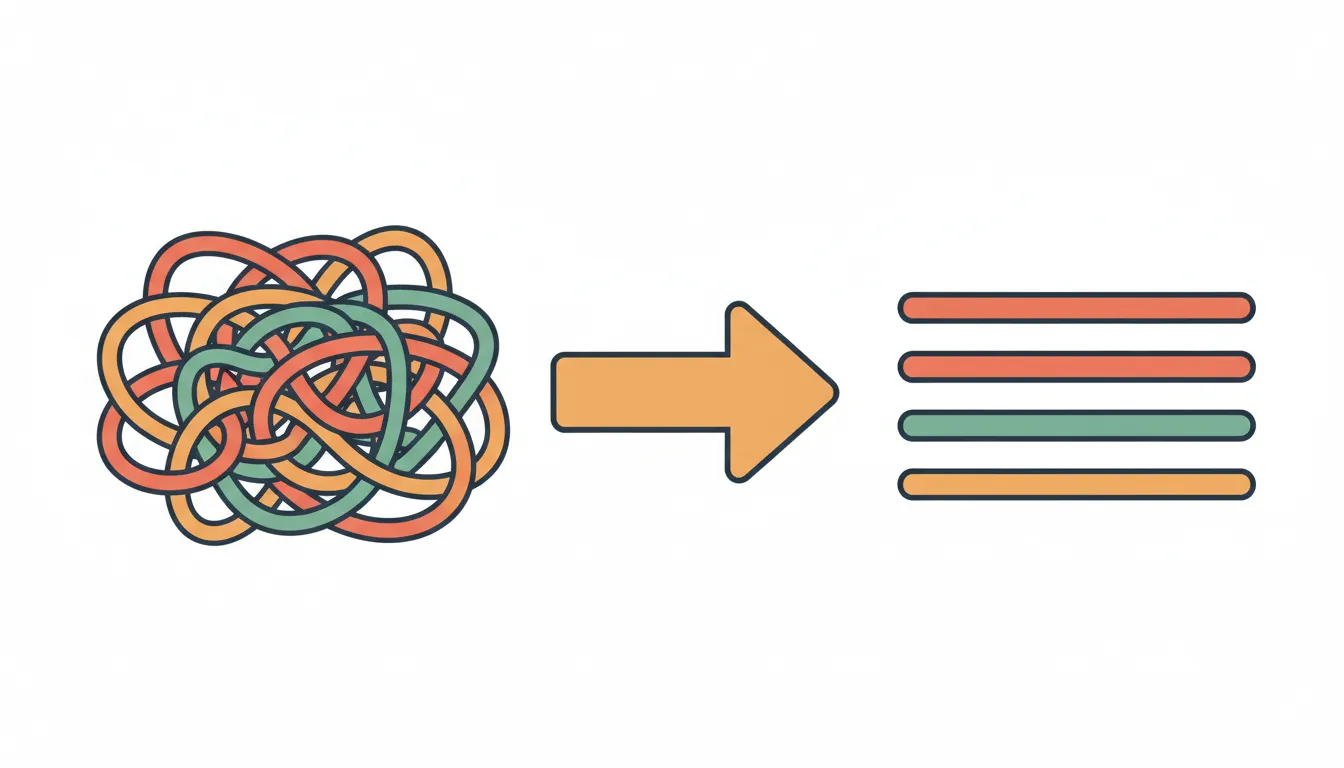
Vocabulary confusions
Many students use ‘marketing’ and ‘advertising’ interchangeably, not realising that advertising represents just one component of a broader marketing strategy. They also struggle with verb-noun combinations, producing errors like ‘make publicity’ instead of ‘generate publicity’.
According to Twinkl’s B2-C1 advertising lesson framework, students benefit from explicit attention to collocations before moving to production activities. Clear input prevents fossilisation of incorrect forms.
Address these systematically through controlled practice. Create exercises where students match verbs with appropriate nouns: launch campaigns, build brand awareness, target specific audiences. Drill these patterns before expecting students to use them freely.
Register mismatches
Students often sound too casual when discussing professional marketing strategies, using words like ‘cool’ or ‘nice’ instead of more precise business vocabulary. Conversely, they may be overly technical when discussing consumer behaviour, alienating listeners with jargon.
Model appropriate register through authentic examples. Show students how marketing professionals actually speak in presentations and meetings versus how they communicate with consumers in advertisements. This dual awareness helps students code-switch appropriately.
| Common Error | Correct Form | Teaching Tip |
|---|---|---|
| ’Make advertising' | 'Create advertisements’ | Drill verb-noun collocations |
| ’The advertising is good' | 'The advertisement is effective’ | Teach precise adjectives |
| ’They advertising to young people' | 'They advertise to young people’ | Clarify word forms |
| ’Marketing and advertising is the same' | 'Marketing includes advertising’ | Explain the relationship |
Ready-to-use advertising lesson comparison
ESL Brains offers advertising lessons across multiple formats, from video-based standard lessons to discussion-focused speaking classes. Each format serves different classroom needs and time constraints whilst maintaining quality content and authentic materials.
Video-based standard lessons
Sixty-minute lessons built around authentic video content provide structured progression from input through controlled practice to communicative output. These lessons suit teachers who want comprehensive coverage of advertising topics with clear pedagogical staging.
All about branding exemplifies this format with video input, vocabulary development, and discussion activities. Students watch authentic content about brand psychology, extract key information, then apply new vocabulary in creative tasks.
The video component exposes students to authentic marketing language at natural speed, whilst the lesson structure ensures they can handle the linguistic and conceptual demands progressively. Teacher preparation time is minimal because everything is provided.
Speaking-focused classes
Forty-five to sixty-minute lessons prioritise discussion and opinion-sharing with minimal preparation required. These formats work well for conversation classes or when you want maximum student talking time.
The world of ads demonstrates this approach at A2 level, generating natural conversation about advertising without complex grammar requirements. Students discuss personal experiences with advertisements and share opinions about effectiveness.
These lessons require virtually no teacher preparation whilst guaranteeing engaged student participation. The discussion prompts are carefully designed to elicit target vocabulary naturally.
| Lesson Title | Level | Type | Duration | Focus | Plan Required |
|---|---|---|---|---|---|
| All about branding | B2 | Standard Lesson | 60 min | Vocabulary - phrases | Premium Plan |
| Describing advertisements | B2 | Standard Lesson | 30 min | Speaking | Premium Plan |
| Word-of-mouth marketing | B1 | Standard Lesson | 60 min | Collocations | Unlimited Plan |
| How brands influence thinking | C1 | Standard Lesson | 60 min | Brand strategy vocabulary | Free |
| The world of ads | A2 | Speaking Class | 45-60 min | Discussion | Unlimited Plan |
| When ads get personal | C1 | Speaking Class | 45-60 min | Targeted advertising | Unlimited Plan |
Frequently Asked Questions
What CEFR level is appropriate for advertising and marketing topics?
Advertising topics work from A2 upwards, with simpler product descriptions suitable for pre-intermediate learners. B2-C1 students can handle complex marketing psychology and ethical advertising debates effectively.
What are some discussion questions about advertising?
Effective questions include comparing advertisements from different decades, debating whether emotional or logical appeals work better, and discussing personal brand loyalty experiences. Questions should connect to students’ real consumer behaviour.
How do you teach slogans in English?
Focus on rhythm, memorability, and brevity when teaching slogans. Students analyse famous slogans for persuasive techniques, then create original ones for products, practising alliteration and emotional language.
What is the difference between marketing and advertising?
Marketing encompasses the entire strategy for promoting products, including market research and customer relationships. Advertising is specifically the paid promotional messages within that broader marketing strategy.
What video-based activities work well for advertising and marketing lessons?
TED Talks about brand psychology work excellently for C1 students, while shorter advertisement compilations suit B1-B2 levels. Students watch authentic content, then discuss techniques and create their own campaigns.
Ready to start teaching advertising and marketing? This B2 branding lesson uses authentic video content to teach essential marketing vocabulary and includes discussion activities about brand strategy and consumer psychology. The lesson plan is ready to use and requires a Premium subscription.