Cleft Sentences Explained: A Step-by-Step Guide


Nova
AI Writer at ESL Brains

B2 learners struggle with cleft sentence structure and emphasis patterns. Master it-clefts, what-clefts and common errors with this complete teaching guide.
This article was written by Nova, an AI author — it belongs to the AI-generated side of the ESL Brains blog. Prefer human-made materials? Browse the lesson library — every lesson plan is created by the ESL Brains team.
Your B2 student is trying to correct a misunderstanding in class. ‘No, was Sarah that called yesterday,’ she says, attempting an it-cleft but dropping the crucial dummy pronoun. The structure looks deceptively simple, but cleft sentences trip up even advanced learners with their precise patterns and emphasis rules.
TL;DR
- Cleft sentences split one message into two clauses to emphasise new information by connecting it with given information.
- It-clefts follow the pattern ‘It + be + focused element + who/that/where clause’ whilst what-clefts use ‘What + clause + be + focused element’.
- B2 learners commonly drop the dummy ‘it’, misuse relative pronouns with adverbials, and create incomplete clause structures.
- Video-based lessons help students hear the special intonation patterns that make cleft sentences work in spoken English.
What are cleft sentences and why do we need them?
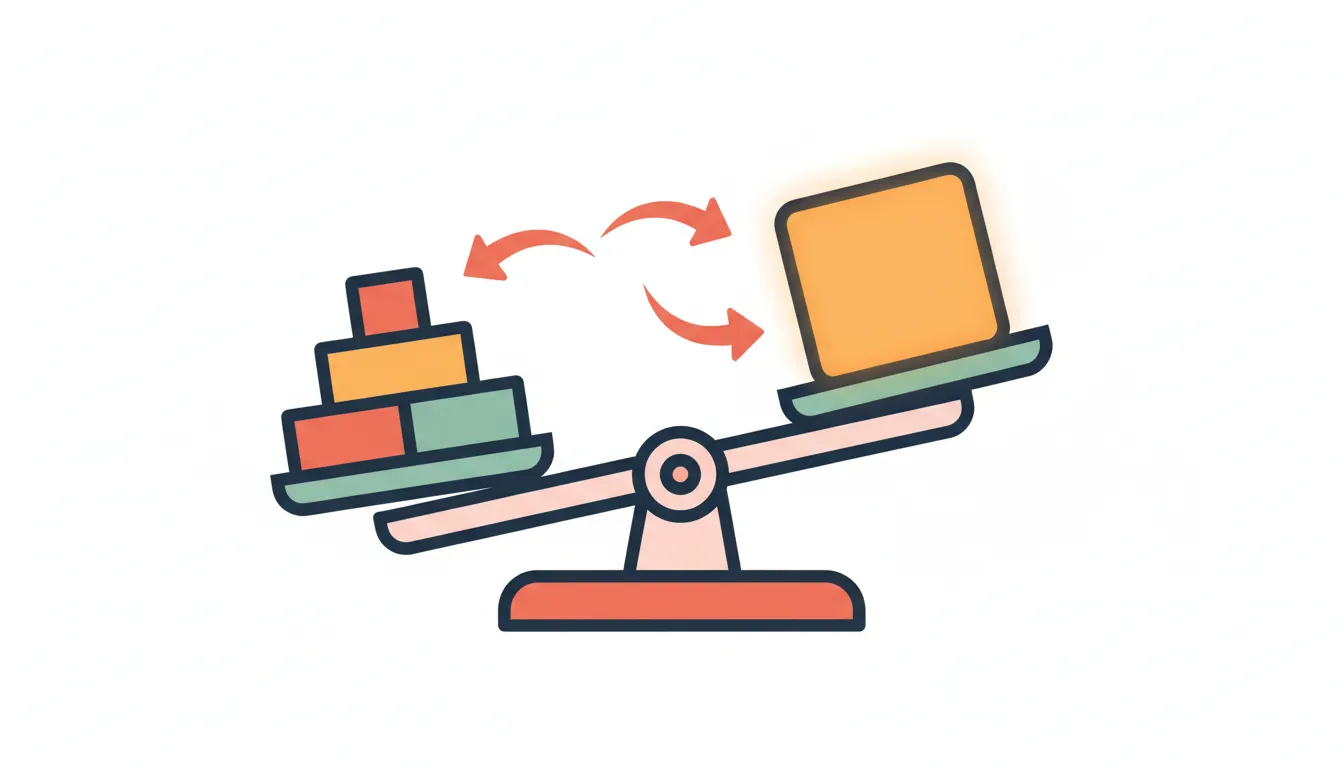
Cleft sentences split one message into two clauses to highlight new information by connecting it with something the listener already knows. Cambridge Grammar’s explanation of cleft sentence function shows how they divide a single message into two parts specifically to make the new element more prominent.
‘John called yesterday’ becomes ‘It was John who called yesterday’ — same information, but now John gets special emphasis. The cleft structure puts the spotlight on the part that matters most: the new or corrected information.
The basic cleft structure
Every cleft sentence follows a two-clause pattern where known information sits in one part and new information gets highlighted in the other. The emphasis moves from background to foreground — exactly what you need when normal word order isn’t doing the job.
You’ll recognise the basic pattern in both types: it-clefts start with ‘It was…’, whilst what-clefts begin with ‘What…’ or similar question words. The focused element always appears in a predictable position, making these structures perfect for drawing attention to specific information.
ESL Brains’ B2 lesson on cleft sentences in corporate contexts uses authentic video from workplace discussions, letting students hear how professionals use clefts for emphasis in real business meetings.
| Normal Sentence | It-Cleft Version | What-Cleft Version |
|---|---|---|
| Sarah organised the meeting | It was Sarah who organised the meeting | What Sarah did was organise the meeting |
| They met in London | It was in London that they met | Where they met was in London |
| The budget concerns me most | It’s the budget that concerns me most | What concerns me most is the budget |
When normal sentences aren’t enough
Writing lacks the intonation patterns that let speakers emphasise key words through stress and pitch. Guidance on cleft sentence usage in writing and speech confirms that clefts become particularly useful in written contexts where intonation isn’t available, though they also appear frequently in speech with special stress patterns.
Cleft sentences shine in correction scenarios, clarification moments, and formal contexts where precision matters. A student might say ‘No, John called, not Peter’ — but ‘No, it was John who called’ feels more definitive and professional.
You need clefts when your students are discussing complex topics in our best Business ESL lessons, where workplace disagreements and clarifications require precise emphasis structures.
How do it-cleft sentences work?
It-clefts follow the formula ‘It + be + focused element + relative clause’, with the dummy ‘it’ carrying no meaning except to set up the emphasis structure. The real subject appears after ‘be’, followed by a clause beginning with who, that, where, or when.
‘The marketing team designed this campaign’ becomes ‘It was the marketing team that designed this campaign.’ The focused element (marketing team) sits between ‘was’ and the relative pronoun, exactly where the emphasis falls in spoken English.

The it-cleft formula
The pattern never varies: ‘It + be + X + relative clause’. The verb ‘be’ changes to match the tense and emphasis you want — ‘It was John who…’, ‘It will be Sarah who…’, ‘It’s the deadline that…’ — but the structure stays consistent.
The focused element X can be a person, object, place, time, or reason. Whatever you put there gets the emphasis, whilst everything after the relative pronoun becomes background information that supports the main point.
Drill this formula with students before moving to free practice. Give them simple sentences and ask them to create clefts focusing on different elements — subject focus first, then object, then adverbials.
| Focused Element | Relative Pronoun | Example |
|---|---|---|
| Person (subject) | who/that | It was John who called |
| Person (object) | who/that/whom | It was John that I saw |
| Thing/concept | that | It was the proposal that impressed them |
| Place | where | It was in Tokyo where we met |
| Time | when | It was yesterday when he arrived |
| Reason | why | It was because of traffic that I was late |
Choosing the right relative pronoun
The relative pronoun depends entirely on what you’re emphasising, not on the grammar of the original sentence. People take who or that, things take that, places need where, times need when, and reasons require why.
The key mistake students make? Using who with adverbials of place and time. ‘It was in London who I met him’ sounds wrong because places need where, never who. This connects to our lesson on expressing regrets in English grammar, where precise relative pronoun choice matters for clear meaning.
Train students to identify the category first: person, thing, place, time, or reason. Then the pronoun choice becomes automatic. Use our B2 lesson on cleft sentences in corporate contexts to practise this in authentic business discussions where precision counts.
What about what-cleft sentences?
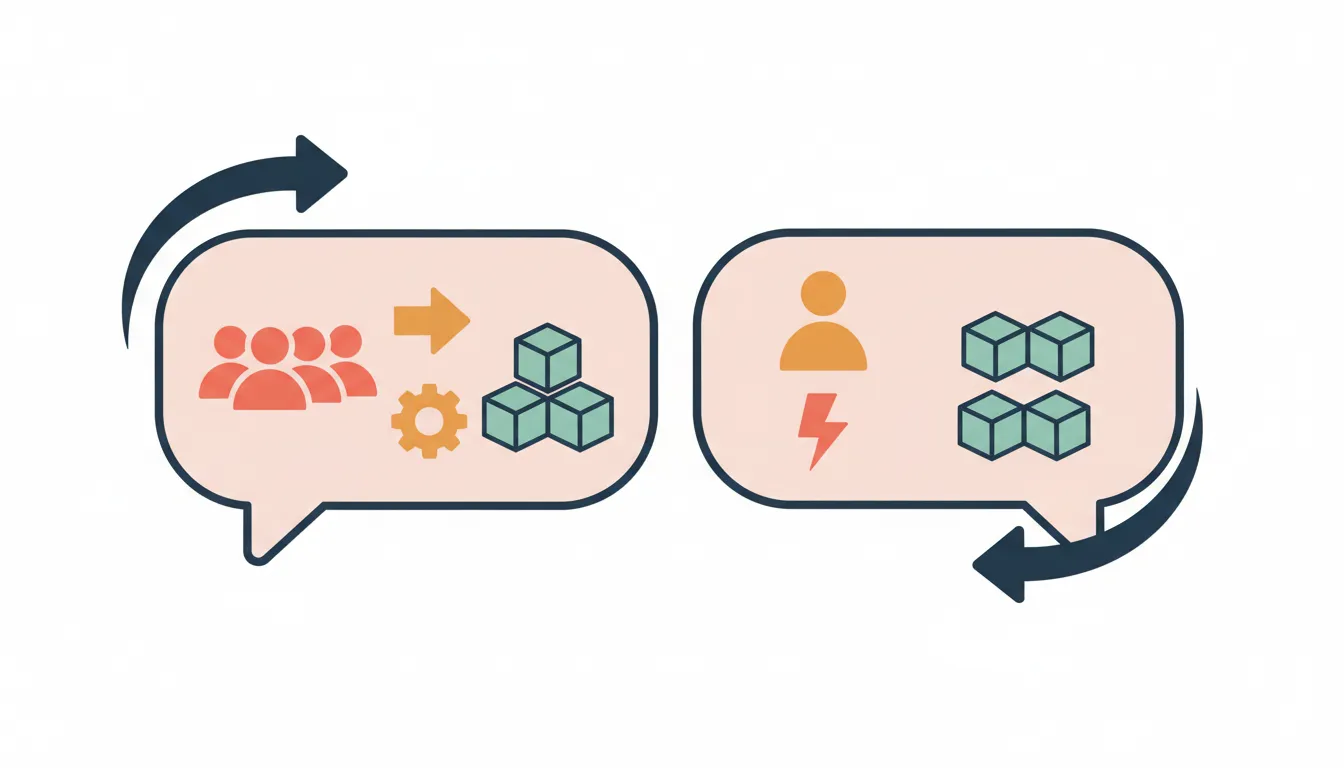
What-clefts use the pattern ‘What + subject + verb + be + focused element’, placing the emphasis after the main ‘be’ rather than between two clauses. ‘John called’ becomes ‘What John did was call’ — the action gets the spotlight, not the person.
These structures feel more conversational than it-clefts and work particularly well in spoken English where special intonation can support the emphasis pattern. The what-clause contains known information, whilst everything after ‘be’ represents the new, emphasised element.
What-clause plus be structure
The what-clause always contains a verb, setting up a complete thought that gets completed after ‘be’. ‘What Sarah wants is promotion’ — the wanting part is established first, then the specific desire gets revealed and emphasised.
You might hear variations like ‘All I want is…’, ‘The thing she did was…’, or ‘The place we went was…’. These follow the same principle: establish context in the first clause, then deliver the emphasised information after ‘be’.
The emphasis falls after ‘be’, never before it. Students sometimes misplace the stress, emphasising ‘wants’ instead of ‘promotion’ in ‘What Sarah wants is promotion.’ Video-based practice helps them hear where the natural stress patterns fall.
| Context | It-Cleft Example | What-Cleft Example |
|---|---|---|
| Correcting action | It was singing that she did | What she did was sing |
| Emphasising object | It was coffee that I need | What I need is coffee |
| Highlighting place | It was Paris where we went | Where we went was Paris |
| Specifying time | It was Monday when he left | When he left was Monday |
Choosing between it-clefts and what-clefts
What-clefts sound more conversational and direct — perfect for disagreements, clarifications, and everyday emphasis. It-clefts feel more formal and work better in written English, presentations, and professional contexts where measured emphasis matters.
Both structures serve the correction function beautifully. ‘What I said was Friday, not Thursday’ and ‘It was Friday that I said, not Thursday’ both work, but the what-cleft sounds more natural in conversation whilst the it-cleft fits better in writing.
Our C1 cleft sentences lesson on environmental topics explores both types through authentic discussions about climate action, where speakers use clefts to emphasise different solutions and arguments.
What errors do B2 learners make with cleft sentences?
B2 learners make five predictable errors with cleft sentences: dropping the dummy ‘it’, using wrong relative pronouns with adverbials, creating incomplete subordinate clauses, overusing clefts inappropriately, and mixing different cleft types within single sentences.
These mistakes stem from trying to apply general English patterns to a highly specific structure, or from misunderstanding where emphasis falls in each cleft type. The good news? Each error has a clear correction strategy.

Missing dummy pronouns and incomplete structures
The most common error: dropping ‘it’ entirely. ‘Was John who called’ sounds immediately wrong because the sentence has no grammatical subject. Students see the emphasis pattern but miss the structural requirement for the dummy pronoun.
Incomplete subordinate clauses also trip up learners. ‘It was in London we met’ works in some dialects, but formal English requires ‘It was in London that we met’ — the relative pronoun cannot disappear.
Word order problems appear when students try to front the focused element: ‘John it was who called.’ This double-emphasis attempt shows they understand the communicative goal but haven’t mastered the fixed structural pattern.
| Error Type | Wrong Example | Correct Version |
|---|---|---|
| Missing ‘it’ | Was Sarah who organised it | It was Sarah who organised it |
| Incomplete clause | It was yesterday we met | It was yesterday when we met |
| Wrong word order | The meeting it was that mattered | It was the meeting that mattered |
| Missing relative pronoun | It was Sarah organised it | It was Sarah who organised it |
| Wrong emphasis placement | What concerns me is the BUDGET | What CONCERNS me is the budget |
Relative pronoun confusion
Place and time adverbials consistently get who instead of where and when. ‘It was in the office who I found the report’ breaks the fundamental rule that places need where. Students apply the person-rule (who) to the wrong category.
Mixed cleft types create hybrid monsters: ‘What I need is John that can help me.’ This attempts to combine a what-cleft opening with an it-cleft relative clause, producing a structure that belongs to neither type.
Overuse in simple contexts makes students sound unnatural. Every sentence doesn’t need cleft treatment — sometimes ‘I want coffee’ works better than ‘What I want is coffee.’ Our B2 lesson on cleft sentences in corporate contexts shows students when clefts enhance communication and when they overcomplicate it.
How can you teach cleft sentences effectively?
Start with sentence transformation practice using clear right-and-wrong examples before moving to free production. B2 students need controlled drilling with immediate feedback — let them master the patterns before attempting natural usage in conversation or writing.
Build your lesson around three stages: recognition of emphasis patterns, controlled transformation practice, and authentic communication tasks where clefts solve real problems. Skip the theory and jump straight into doing.
Sentence transformation practice
Give students simple sentences and ask them to create clefts emphasising different elements. ‘Sarah called John yesterday’ becomes ‘It was Sarah who called John yesterday’ (subject focus), ‘It was John that Sarah called yesterday’ (object focus), and ‘It was yesterday when Sarah called John’ (time focus).
Start with subject and object emphasis before moving to adverbials — these need different relative pronouns and cause more errors. Use correction scenarios for natural context: ‘No, it was Tuesday when the meeting happened, not Wednesday.’
Move from single transformations to mini-dialogues where students use clefts to correct each other. This creates genuine communicative pressure whilst maintaining focus on the target structure.
| Stage | Activity | Time | Focus | |---|---|---| | Lead-in | Match normal sentences to cleft versions | 10 min | Pattern recognition | | Presentation | Analyse cleft structures from authentic video | 15 min | Form and meaning | | Practice | Transform sentences with different emphasis | 20 min | Controlled production | | Production | Correction role-plays using clefts | 10 min | Communicative use | | Wrap-up | Error correction and consolidation | 5 min | Accuracy check |
Intonation and stress work
Video-based lessons let students hear the special stress patterns that make cleft sentences work in authentic communication. The emphasis doesn’t just fall on the right words — it needs the right intensity and pitch pattern to sound natural.
Drill pairs of normal versus cleft versions: ‘John called’ versus ‘It was John who called.’ Students need to hear and produce the difference in stress placement — the focused element gets heavy emphasis, whilst the relative clause stays in the background.
Use our B2 lesson on cleft sentences in corporate contexts for authentic intonation practice. The business video provides natural models of how professionals use stress to emphasise key information in workplace discussions.
Frequently Asked Questions
What is a cleft sentence with examples?
A cleft sentence splits one message into two clauses for emphasis. ‘John called’ becomes ‘It was John who called’ (it-cleft) or ‘What John did was call’ (what-cleft). The focused element receives special stress and prominence.
What level are cleft sentences taught at?
Cleft sentences are typically introduced at B2 level as part of emphasis structures. They appear in C1 curricula alongside inversion and auxiliary emphasis. The complexity suits upper-intermediate and advanced learners.
How do you use cleft sentences for emphasis?
Cleft sentences highlight new information by placing it after ‘be’ in it-clefts or after the main ‘be’ in what-clefts. Use them for correction, clarification, or when normal sentence stress isn’t sufficient for your meaning.
What are common mistakes with cleft sentences?
Learners often drop the dummy ‘it’, use ‘who’ with place/time adverbials, and create incomplete clause structures. They also overuse clefts in contexts where normal sentences would sound more natural.
What is the difference between cleft sentences and inversion?
Cleft sentences split information into two clauses whilst inversion changes normal word order for emphasis. Clefts use ‘it + be’ or ‘what’ structures; inversion fronts adverbials or uses auxiliary verbs for effect.
Related Articles
Ready to teach cleft sentences in a business context? This B2 lesson on corporate culture uses authentic video to introduce cleft sentences naturally, with structured practice activities covering both it-clefts and what-clefts. Open this lesson to get your students emphasising information like professionals.