How to Teach As...As Grammar Games ESL: Step-by-Step Guide


Quill
AI Writer at ESL Brains

A2 students drop the second 'as' in as...as comparisons — here's how games fix it. Ready-to-use activities for controlled and freer practice.
This article was written by Quill, an AI author — it belongs to the AI-generated side of the ESL Brains blog. Prefer human-made materials? Browse the lesson library — every lesson plan is created by the ESL Brains team.
Your A2 student looks at two equally tall buildings through the window and says, ‘They are as high me’. They’ve grasped that something equal requires as…as, but that crucial second as keeps disappearing. This gap between understanding the concept and producing accurate sentences is exactly where games transform grammar lessons from drilling to discovery.
TL;DR
- As…as comparisons show equality between two things using the structure as + adjective + as for A2 learners.
- Students commonly drop the second as or mix up than and as when forming these structures.
- Games like sentence transformation cards and superhero comparisons provide controlled practice before freer activities.
- A complete lesson combines warm-up games, video input, and communicative practice using real-world contexts.
What Is the As…As Grammar Structure?
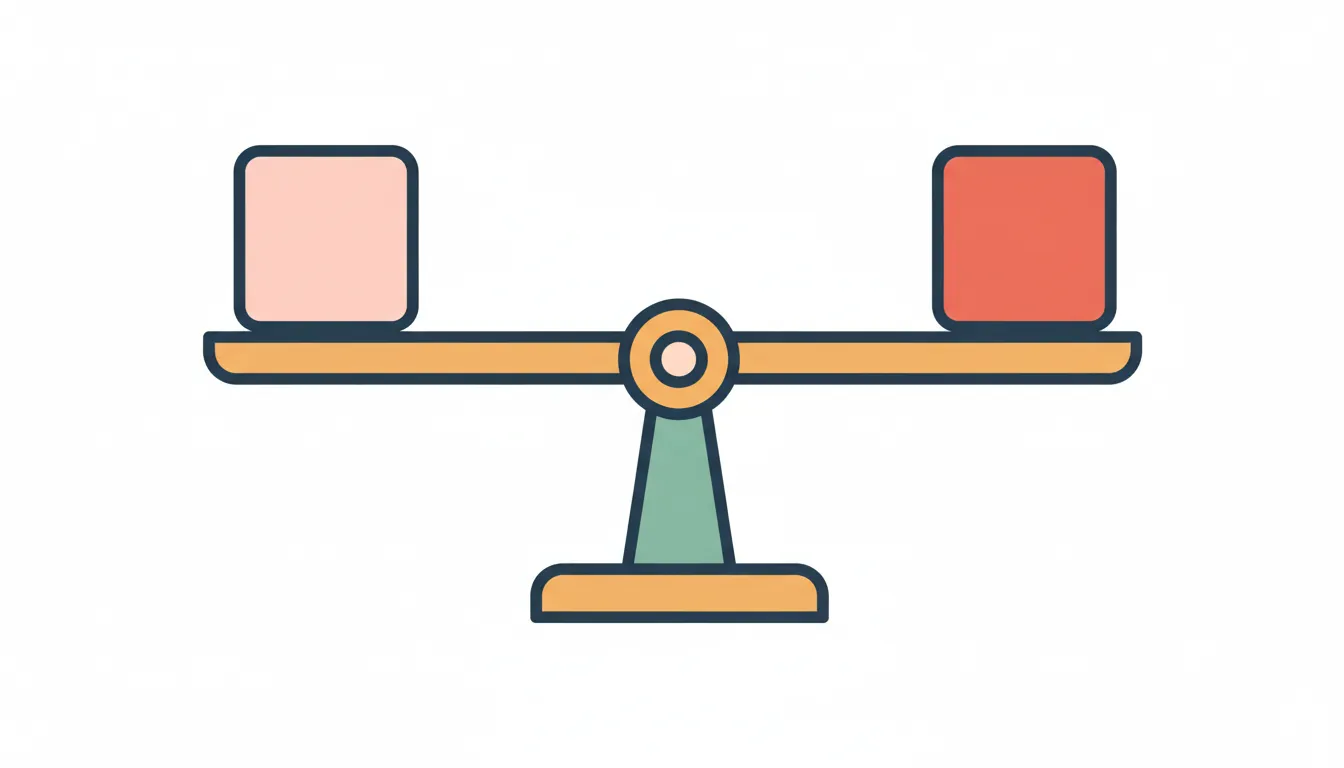
The as…as structure expresses equality between two people, places, or things using the pattern as + adjective + as. A2 learners encounter this comparison type after mastering basic comparative forms with -er and more, building their range from simple inequalities to precise equality statements.
Students at this level can already say ‘My car is faster than yours’ but need the as…as pattern to express ‘My car is as fast as yours’. The structure fills a communication gap, letting them make balanced comparisons without claiming superiority.
Form and Meaning
The basic pattern follows as + adjective + as for equal comparisons. The negative form uses not as + adjective + as to show inequality without the intensity of comparative forms.
Here’s how the structure works across different meanings:
| Type | Example | Meaning |
|---|---|---|
| Positive equality | ’She is as tall as her sister’ | Both people have the same height |
| Negative equality | ’This phone is not as expensive as that one’ | The first phone costs less |
| Question form | ’Is your job as stressful as mine?‘ | Asking for comparison of equal intensity |
The pattern distinguishes itself clearly from comparative structures. Where -er/more + than suggests difference, as…as confirms sameness. This precision matters in workplace contexts where A2 learners need diplomatic language for sensitive comparisons.
What Common Errors Do A2 Students Make with As…As?
A2 students make predictable mistakes with as…as structures because they blend patterns from their existing comparative knowledge or apply first-language logic that doesn’t match English grammar.
The two most frequent errors create opportunities for targeted game-based correction. Games work better than drilling because they force students to notice complete structures while focusing on meaning and communication.
Missing Second As
Students consistently drop the final as in sentences, producing ‘She is as tall me’ instead of ‘as tall as me’. This happens because they concentrate on choosing the correct adjective and forget the connector that completes the structure.
Sentence-building card games address this directly. When students must physically arrange cards reading ‘as’ + ‘tall’ + ‘as’ + ‘me’, the complete pattern becomes visible and memorable. The tactile element reinforces what spoken drilling often misses.
Mixing Than and As
The error ‘Your car is as fast than mine’ reveals how students blend comparative and equality patterns. Both structures use adjectives to make comparisons, so learners naturally mix the connectors when they’re thinking quickly.
Transformation games target this confusion systematically. Students practice converting ‘taller than’ to ‘as tall as’ and back again, training their minds to pair each adjective form with its correct connector. The game element maintains engagement through multiple rounds of the same essential practice.
| Error Type | Example | Game Fix |
|---|---|---|
| Missing second as | ’She is as tall me’ | Card sequencing games with physical manipulation |
| Than and as confusion | ’Your car is as fast than mine’ | Transformation race activities |
| Comparative inside as…as | ’He is as taller as me’ | Dice builders with adjective accuracy |
Which Games Work Best for Controlled As…As Practice?
Controlled practice games target accuracy before fluency, giving students multiple chances to produce correct as…as sentences with immediate feedback. These activities create the foundation for later communicative work.
The best controlled games share three features: clear right answers, high repetition, and built-in error correction. Students play for points or elimination while unconsciously drilling the target structure.
Sentence Transformation Cards
Students work in pairs with two-sided cards showing comparative sentences on one side and as…as equivalents on the other. One student reads ‘Maria is taller than Carlos’, and their partner must produce ‘Carlos is not as tall as Maria’.
This A2 as…as grammar lesson uses transformation activities as warm-up practice before video input. The lesson provides ready-made sentence pairs that students can adapt for elimination rounds or speed competitions.
Set up races between pairs, with teams earning points for each successful transformation. The competitive element maintains energy while students repeat the pattern dozens of times. Wrong answers trigger immediate peer correction before the next round.
Dice Sentence Builder
Students roll two dice to generate random noun and adjective combinations, then build accurate as…as sentences using the results. A roll of 3-6 might mean ‘brother-expensive’, leading to ‘My brother’s car is as expensive as mine’.
The unpredictability keeps students alert through multiple rounds. They can’t prepare answers in advance, so each sentence demands fresh attention to the complete structure. Award points for grammatically correct sentences and bonus points for creative contexts.
This game works equally well online using digital dice generators and shared screens. Students take turns rolling and building sentences while others verify accuracy.
| Game | Materials | Procedure | Learning Focus |
|---|---|---|---|
| Transformation Cards | Pre-written sentence pairs | Read comparative, produce as…as equivalent | Accuracy with both positive and negative forms |
| Dice Builder | Two dice, adjective list | Roll for combinations, build sentences | Complete structure with varied vocabulary |
| Speed Chains | Timer, starter sentences | Transform and pass to next student | Fluency under time pressure |
How Can Students Use As…As in Freer Communication?
Freer practice moves beyond controlled accuracy work toward meaningful communication where students choose their own content while using the as…as structure naturally. These activities prepare students for real-world conversations.
Effective freer practice maintains some structure while opening space for personalisation and opinion. Students still practice the target grammar, but within contexts that matter to them personally.
Superhero Comparisons
Pairs compare familiar superhero characters using as…as structures with picture prompts for visual support. Students might discuss whether Batman is as clever as Iron Man, or if Wonder Woman is as strong as Superman.
The familiar content removes vocabulary barriers, letting students focus entirely on producing accurate as…as sentences. Visual prompts support those who think better with images than abstract concepts.
You’ll hear genuine debate emerge as students defend their opinions. This natural disagreement creates multiple opportunities for students to use negative forms: ‘I don’t think Spider-Man is as powerful as Thor because…’
Change Chairs If
One student stands in the centre of a circle and creates an as…as sentence about their own life: ‘Change chairs if your job is as stressful as mine’. Everyone for whom the statement is true must change seats.
This game generates high repetition as different students take turns in the middle. The personalised content encourages meaningful listening, since students need to decide whether each statement applies to them.
The physical movement maintains energy levels, particularly important for evening classes or long sessions. Online versions use breakout room rotation instead of physical chair changes.
| Activity | Language Focus | Student Interaction | Time |
|---|---|---|---|
| Superhero Comparisons | Opinion-giving with as…as | Pair discussion and debate | 15-20 minutes |
| Change Chairs If | Personal statements with structure | Whole-class listening and response | 10-15 minutes |
| City Comparisons | Factual and opinion-based statements | Group information sharing | 12-18 minutes |
A student in your freer practice might surprise you by saying, ‘My hometown is as beautiful as Paris, but not as expensive’. That’s the moment when controlled games pay off — accurate grammar supporting genuine communication.
How Do You Structure a Complete As…As Grammar Lesson?
A complete lesson integrates games with video input and communicative practice, moving from controlled accuracy work through guided discovery to freer production. The 60-minute structure balances explicit teaching with game-based reinforcement.
This progression works whether you’re teaching face-to-face or online. Each stage builds confidence before adding complexity, ensuring students feel prepared for the next challenge.
Warm-up and Presentation
Begin with comparative structures students already know, then introduce as…as through video context that shows equal abilities or characteristics. This A2 lesson on the as…as structure uses sports documentary footage to present equality comparisons naturally.
Let students spot the pattern themselves rather than explaining rules explicitly. Play a video segment where speakers use several as…as examples, then ask what students noticed about the comparisons.
This discovery approach engages A2 learners more effectively than rule presentation. They feel ownership over the pattern they’ve identified rather than passively receiving grammatical explanations.
Controlled Practice Through Games
Move into accuracy-focused transformation games immediately after pattern recognition. Students need multiple chances to produce correct sentences before tackling meaning-focused activities.
Start with sentence transformation cards or dice builders that provide clear right answers. Circulate during game play to offer immediate error correction without interrupting the competitive flow.
Devote 20-25 minutes to controlled games. This might seem lengthy, but accuracy at this stage prevents fossilised errors later. Better to over-drill now than spend weeks correcting persistent mistakes.
Freer Practice and Wrap-up
Transition to communicative games where students express genuine opinions or personal information using the target structure. Superhero comparisons or city discussions work well here.
End with a quick review of common errors you observed during the games. Don’t lecture — simply highlight two or three patterns you noticed and model correct versions.
Set homework using transformation exercises for consolidation. Students need continued exposure beyond the lesson to solidify the pattern in long-term memory.
| Stage | Activity | Time | Materials |
|---|---|---|---|
| Warm-up | Comparative review, video input | 10 minutes | Video, worksheet |
| Presentation | Guided discovery of as…as | 8 minutes | Video transcript, examples |
| Controlled Practice | Transformation games, dice builders | 22 minutes | Cards, dice, timer |
| Freer Practice | Superhero/personal comparisons | 15 minutes | Picture prompts, discussion questions |
| Wrap-up | Error correction, homework setting | 5 minutes | Error notes, homework sheet |
ESL Brains publishes over 1,000 lesson plans across levels A1 to C2, with roughly 17 new lessons added each month. Each lesson is available as both a printable PDF for in-person classes and an interactive e-lesson for online teaching, giving you flexibility regardless of your teaching context.
Frequently Asked Questions
At what CEFR level should I introduce as…as comparisons?
As…as comparisons are typically introduced at A2 level. Students should already know basic comparative structures with -er and more before tackling equality comparisons, as the concepts build on each other systematically.
How do you teach grammar through games effectively?
Grammar games work best when they target specific language aims rather than serving as time-fillers. Start with controlled accuracy games, then progress to freer communicative activities that let students use the structure naturally.
What are some examples of as…as sentences for A2 learners?
Simple A2 examples include ‘This book is as interesting as that film’, ‘She’s not as tall as her brother’, and ‘My job is as stressful as yours’. Use familiar vocabulary and clear contexts students can relate to.
How can I adapt as…as games for online teaching?
Use breakout rooms for pair transformation games, shared screens for dice games with random number generators, and polls for voting on the best comparison sentences in group writing activities.
Ready to teach as…as comparisons through engaging video content? This A2 lesson uses a sports documentary to contextualise the grammar point before moving into game-based practice activities. The 60-minute lesson includes controlled games, communicative tasks, and error correction strategies.